
SAF-Africa Shares Nutrition and Food Systems Lessons at MNF2026

How can nutrition programmes deliver lasting impact in a changing food system? This question featured prominently at the Micronutrient Forum’s 7th Global Conference (MNF2026), held in Accra, Ghana, from 28 September to 2 October 2026, under the theme “Nutrition at the Frontiers of a Changing Environment.” The conference brought together actors working across nutrition, agriculture, health and food systems to explore how countries can sustain nutrition progress amid climate change, conflict and changing development financing.
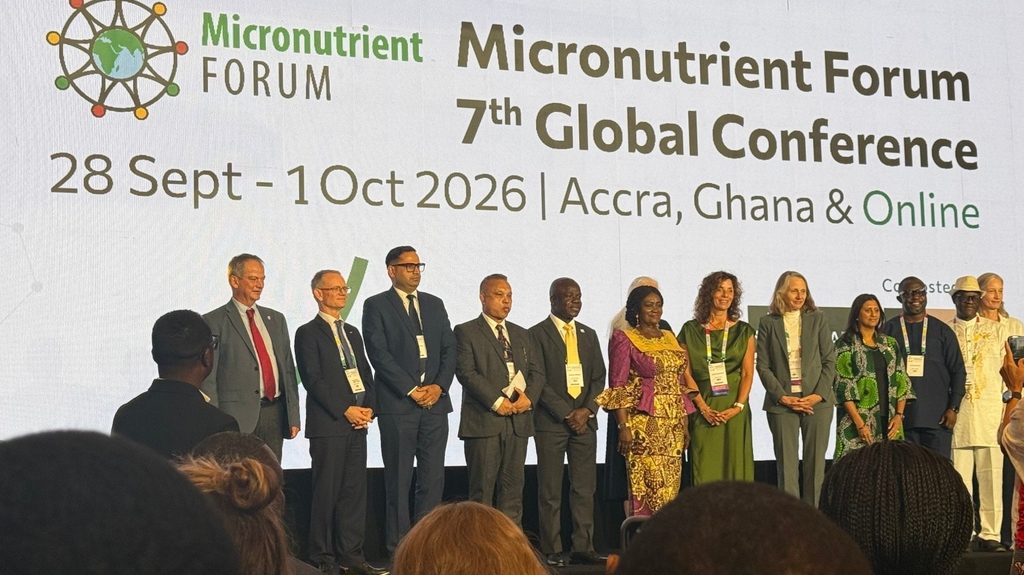
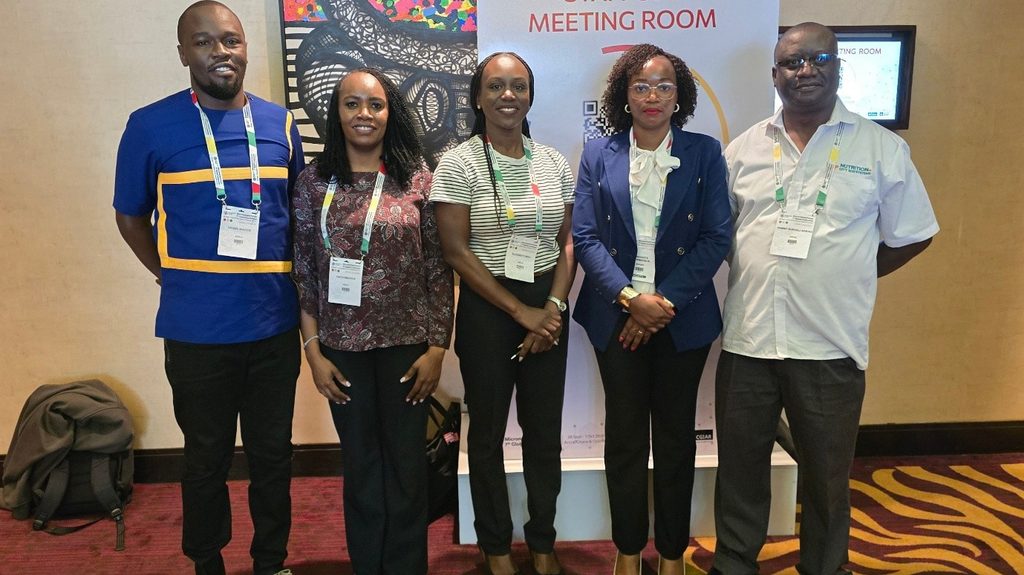
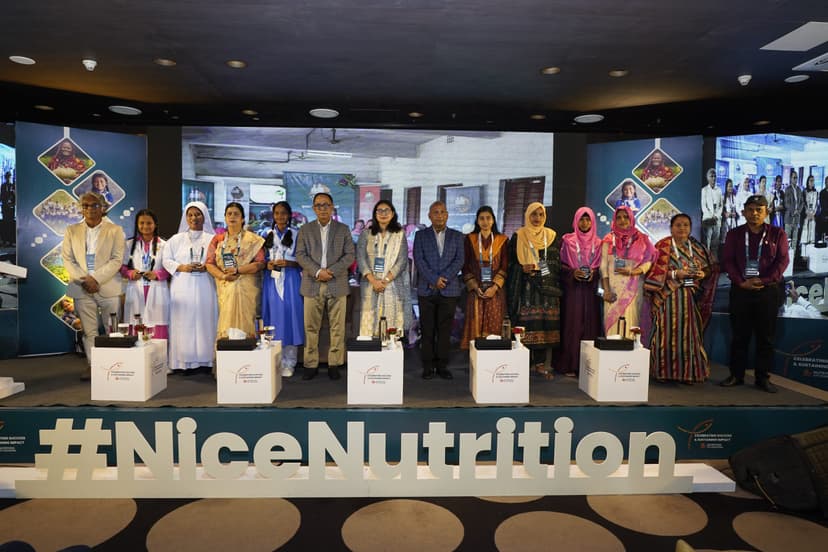
Sustainable Agriculture Foundation-Africa (SAF-Africa) participated through conference sessions, learning exchanges and two e-poster presentations showcasing lessons from its Nutrition in City Ecosystems (NICE) Project in Kenya. The presentations explored how to strengthen nutritional knowledge among peri-urban farmers and how multi-stakeholder platforms can advance local nutrition policy. Drawing on experience in Busia and Bungoma, the project shared lessons on connecting nutrition priorities with local food systems and strengthening collaboration among county stakeholders.
A key message from the conference was that improving nutrition requires action beyond the health sector. Climate resilience, local food production, markets, food safety and local governance all influence the availability and accessibility of nutritious foods. Discussions also highlighted opportunities for private-sector engagement in improving diets and food safety, alongside the importance of evidence and local leadership in sustaining nutrition programmes. These priorities resonate with SAF-Africa’s work to connect agriculture, food systems and nutrition through locally grounded approaches.
The engagement also created opportunities to exchange experiences with other organisations and identify potential areas for collaboration, particularly in nutrition, food safety and access to nutritious foods. SAF-Africa will draw on these shared lessons to inform programme development, strengthen relevant partnerships and pursue opportunities to mobilise resources for future nutrition initiatives. The experience in Accra reinforced the importance of integrated, evidence-informed approaches that connect local action with wider food systems transformation.
Related Blogs







Climate Smart Agriculture
21 Aug 2023
