As Bangladesh prepares for graduation from Least Developed Country (LDC) status in 2026, export diversification has emerged as a critical national priority. With over 84% of export earnings currently generated by the Ready-Made Garments (RMG) sector, expanding the export base is essential for long-term economic resilience. In this context, particularly mango, one of the world’s most traded tropical fruits, offers significant potential. Bangladesh ranks as the 8th largest mango producer globally, producing over 2 million tons annually. Yet, despite this strong production base, mango exports account for less than 0.05% of total output, revealing a substantial untapped opportunity to access global markets and increase farmer incomes.
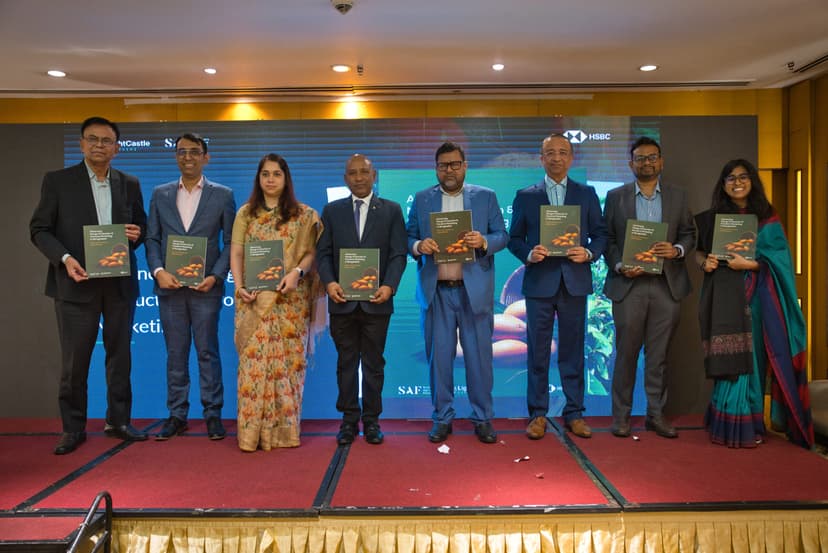
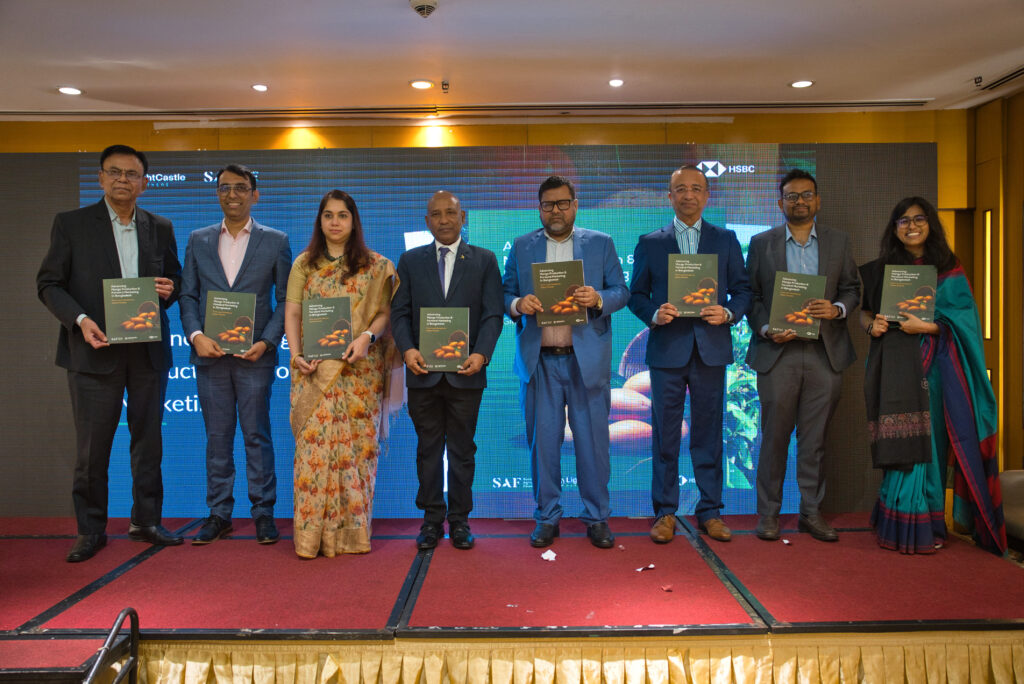
To address this gap, the Climate Resilient Agricultural Advancement in Barind (CRAAB) Project commissioned a comprehensive study on Bangladesh’s mango export value chain. The study was conducted by LightCastle Partners, implemented by Sustainable Agriculture Foundation Bangladesh (SAF Bangladesh) with DASCOH Foundation as co-implementer, and supported by a philanthropic grant from HSBC Bangladesh.
The research examined critical bottlenecks across production, post-harvest handling, processing, and export readiness. It identified key challenges related to quality compliance, traceability, cold chain infrastructure, and logistics, while also highlighting emerging opportunities—most notably access to new markets such as China, the world’s second-largest mango importer. The study offers actionable recommendations to inform policy reform, targeted investments, and stronger coordination among government, private sector, and development partners.
By shifting the focus from climate resilience alone to export competitiveness, the CRAAB initiative aims to bridge the gap between production potential and market realization, positioning mango as a viable contributor to export diversification and post-LDC competitiveness.
Report Launch Event
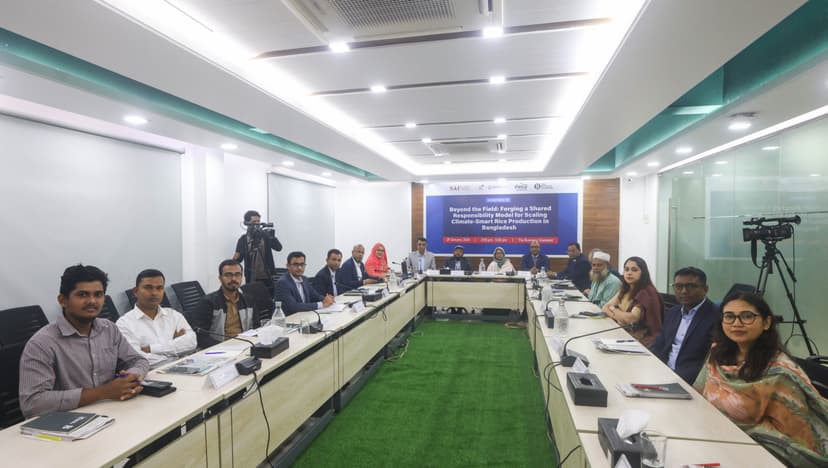
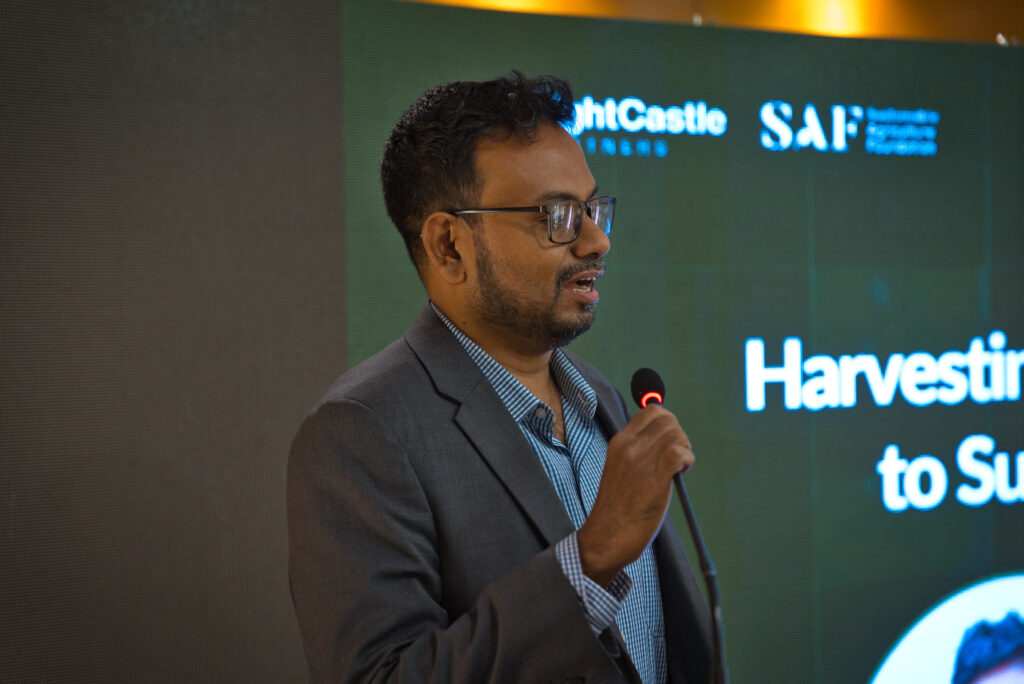
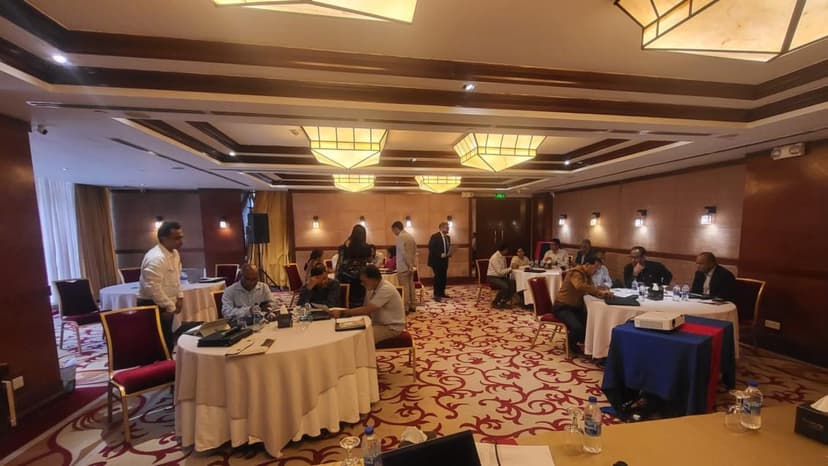
On 10 December 2025, the report under the CRAAB Project was officially launched, bringing together policymakers, private sector leaders, development partners, researchers, and farmers to discuss strategies for strengthening Bangladesh’s mango value chains and unlocking export potential.
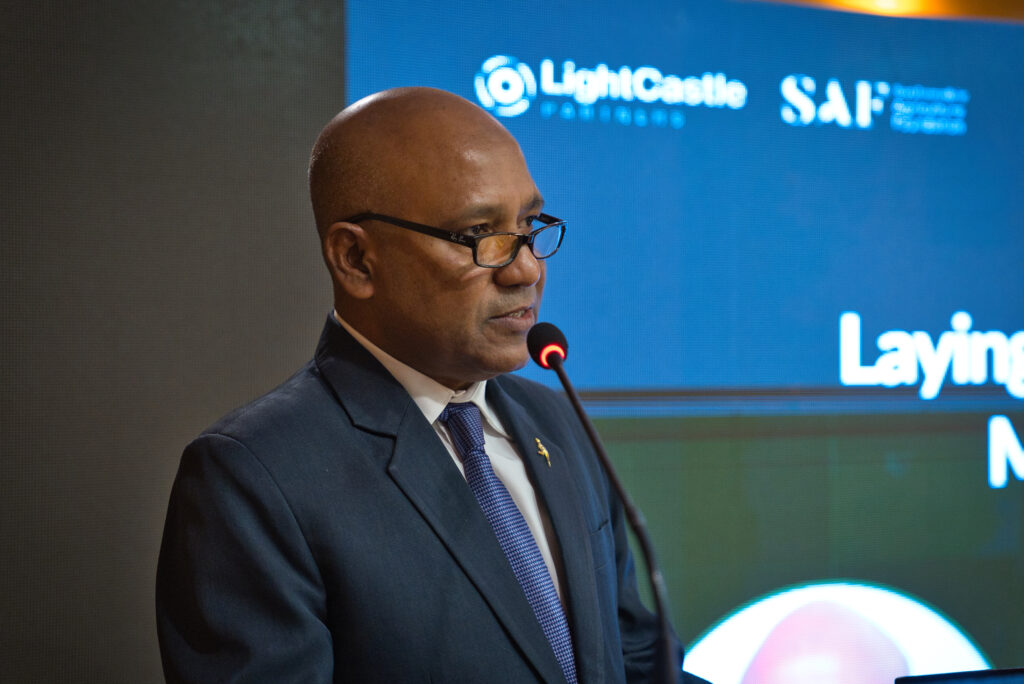
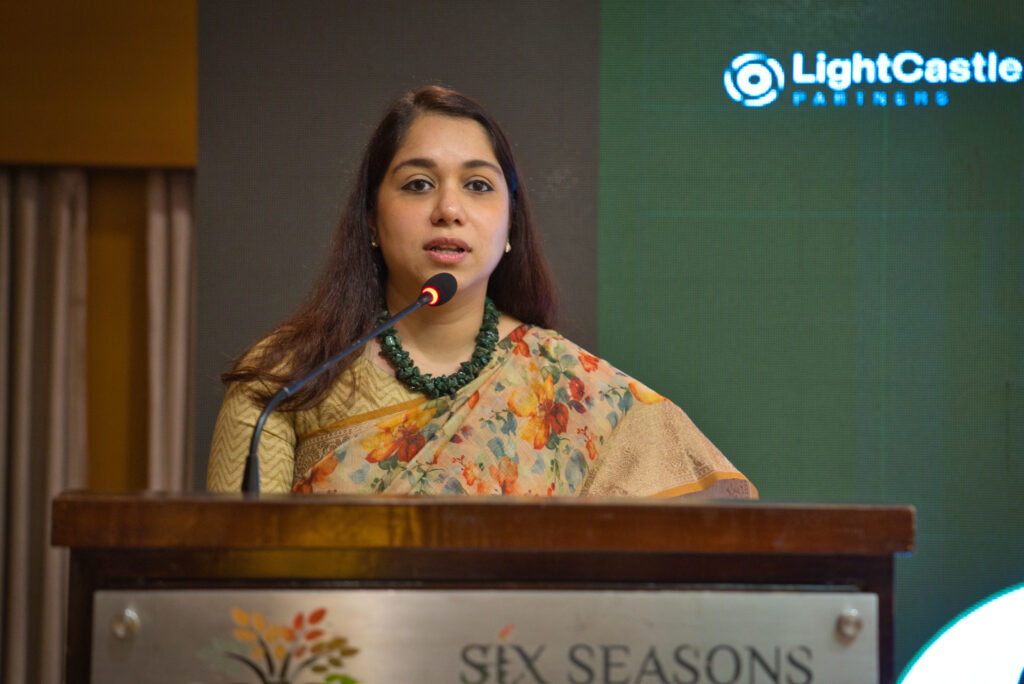
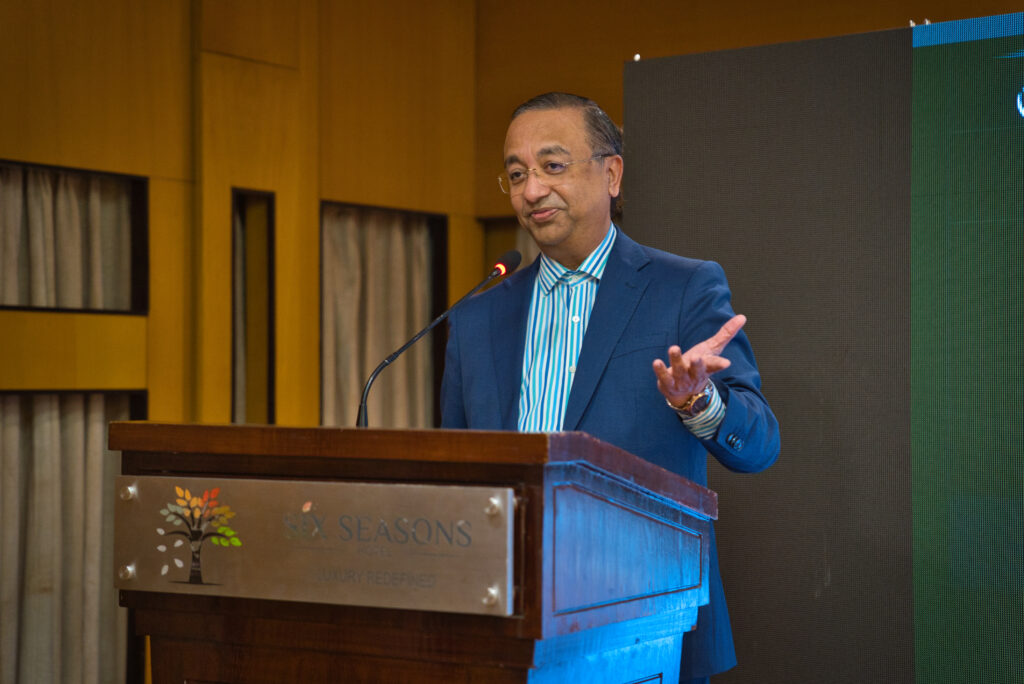
The session opened with welcome remarks from Md. Farhad Zamil, Executive Director, SAF Bangladesh; Syeda Afzalun Nessa, Head of Sustainability, HSBC Bangladesh; and Devesh Mathur, Chief Operating Officer, HSBC Bangladesh. The event was honored by the presence of Nasir-Ud-Doula, Director General (Additional Secretary), Department of Agricultural Marketing, as the Chief Guest. He emphasized the importance of quality assurance, policy alignment, and institutional coordination to enable agricultural exports.
From Local Orchards to Global Markets
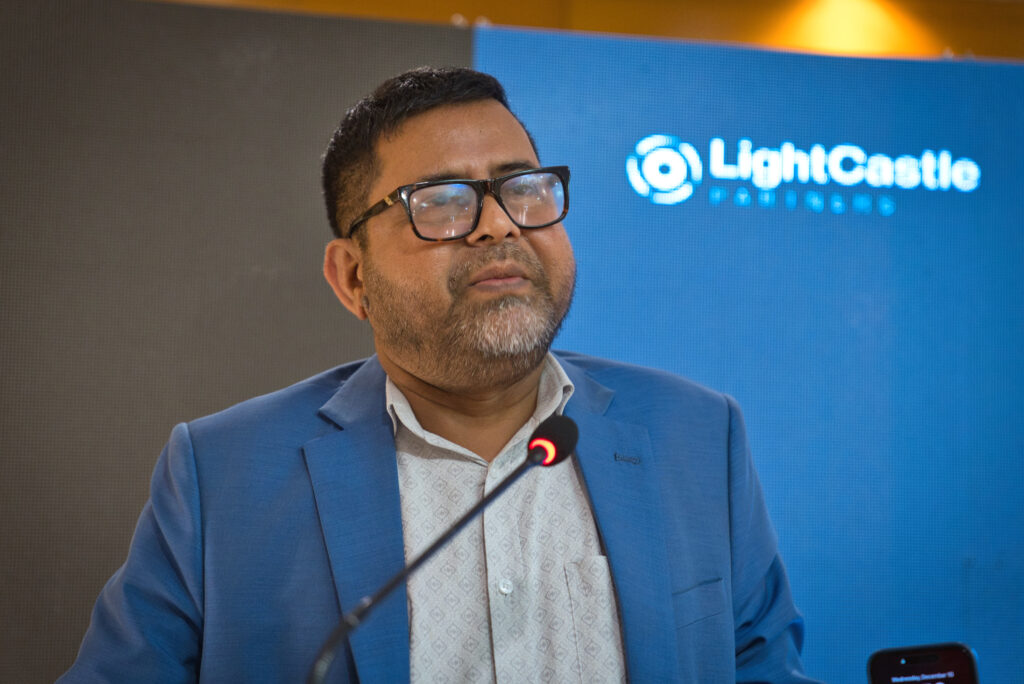
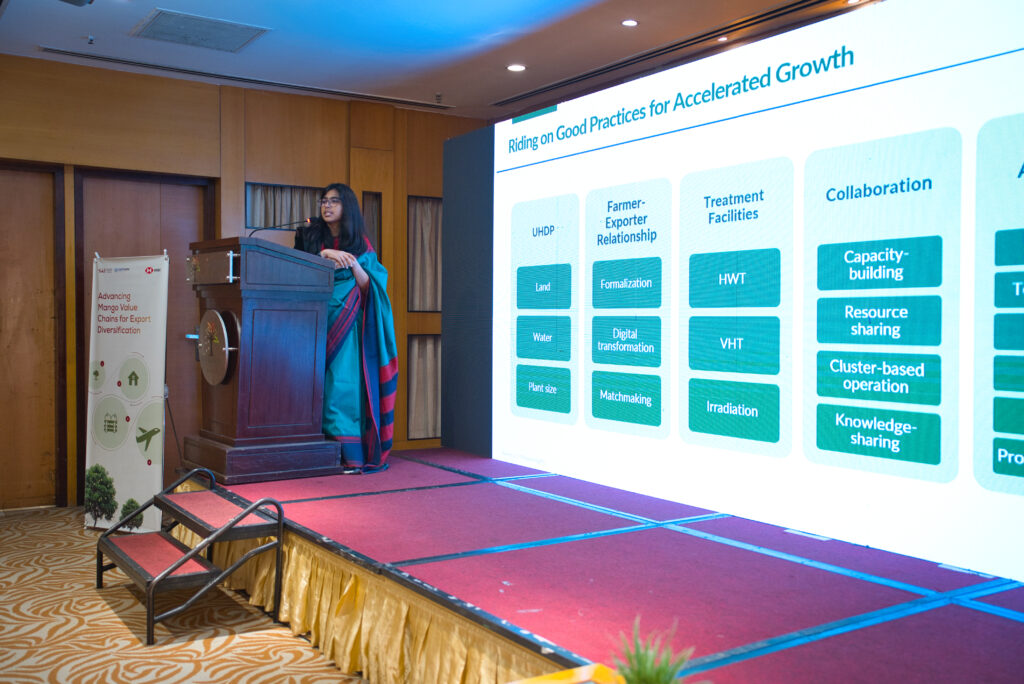
A keynote presentation titled “Advancing Mango Production & Forward Marketing: From Local Gardens to Global Markets” was delivered by Ainan Tajrian, Senior Business Consultant at LightCastle Partners. The keynote highlighted structural challenges across the mango value chain, including gaps in export readiness, weak market positioning, and the need for stronger forward linkages between farmers and international buyers.
Farmer Voices from the Field
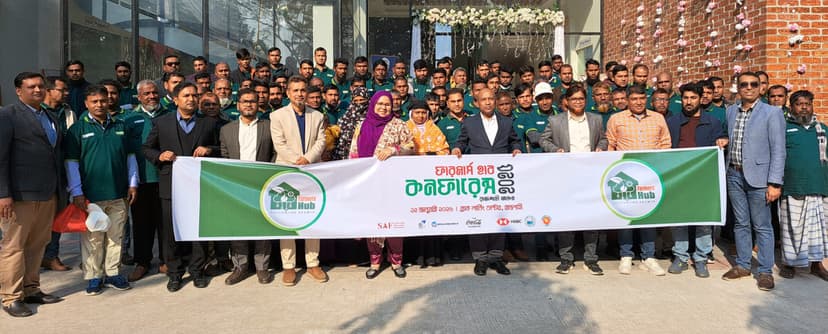
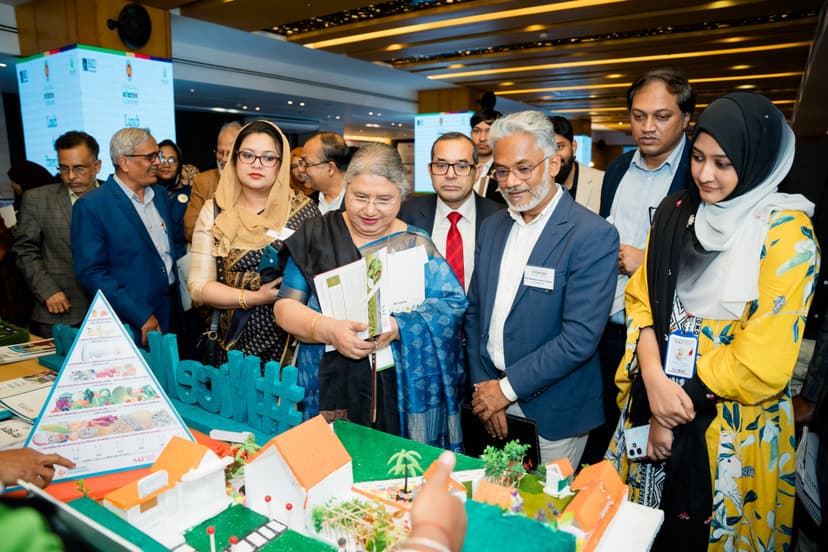
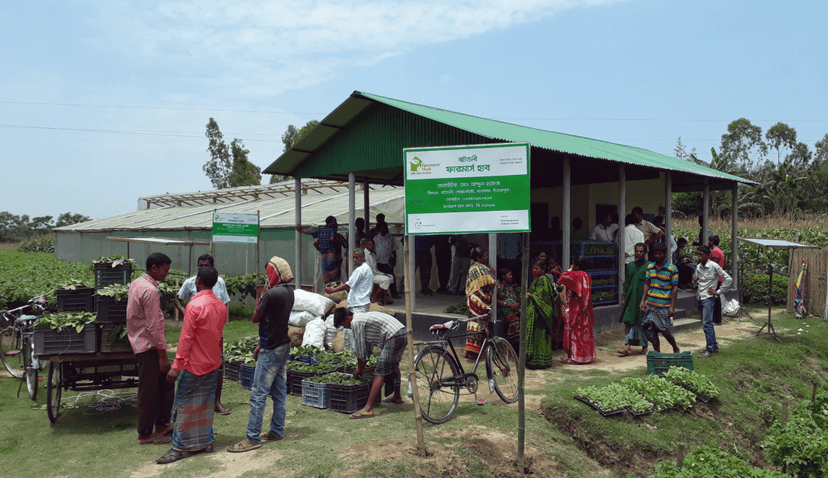
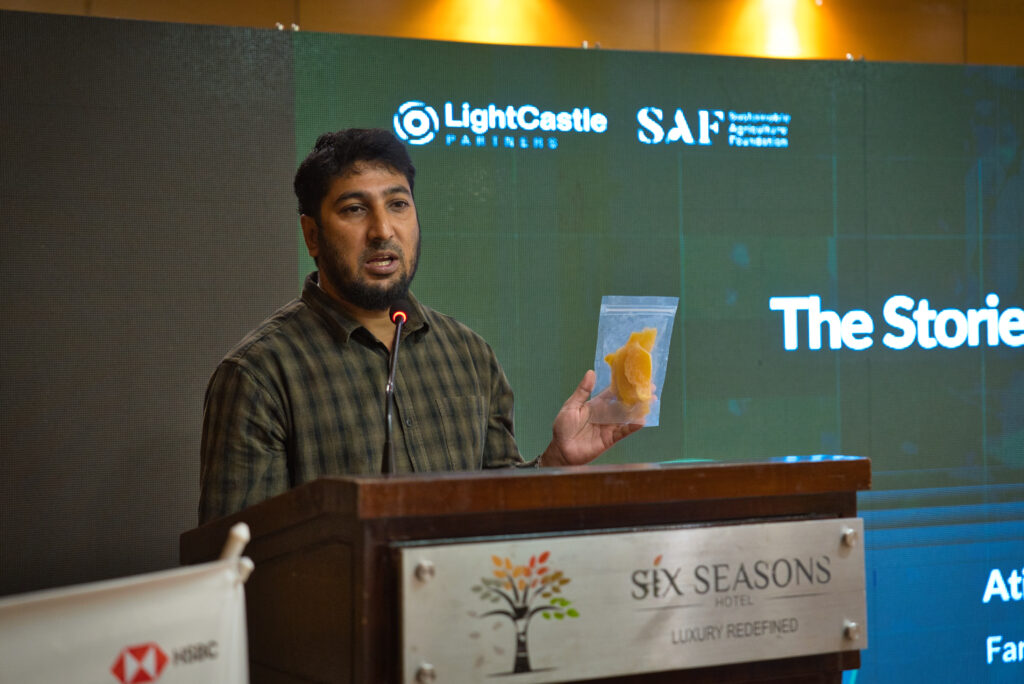
Farmer perspectives were central to the discussion. Abdul Mazid, a mango orchard owner, shared firsthand experiences related to production quality and market access challenges. Md. Atik, a Farmers’ Hub Owner and mango exporter, discussed both opportunities and constraints in mango exports and showcased a range of processed mango products, underscoring the potential of value addition for export markets.
Panel Discussion: Bridging the Production–Export Gap
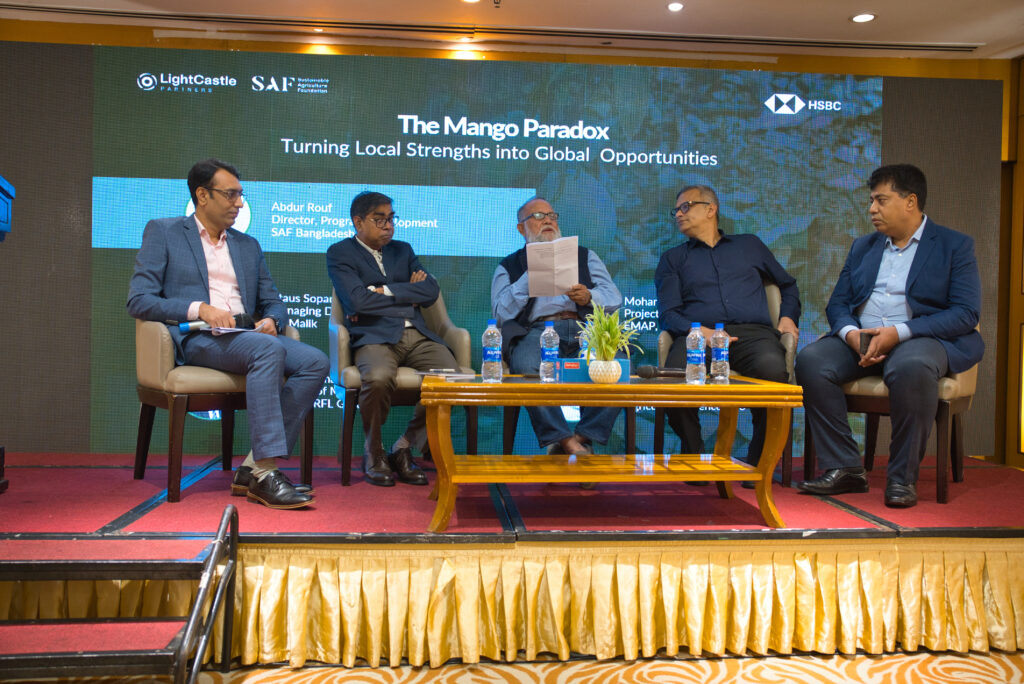
A panel discussion titled “The Mango Paradox – How Do We Bridge the Production–Export Gap?” explored the key barriers limiting mango exports from Bangladesh. Moderated by Md. Abdur Rouf, Director, Program Development, SAF Bangladesh, the discussion focused on practical, evidence-based solutions.
Panelists identified challenges such as inconsistent quality, high post-harvest losses, weak traceability systems, and gaps in logistics and cold-chain infrastructure. They emphasized strengthening farmer–exporter linkages through contract farming, aggregation centers, and greater awareness of international standards. The discussion also highlighted the need for policy and investment support in areas such as phytosanitary compliance, testing and treatment facilities, public–private partnerships, and export-oriented infrastructure.
Panelists included:
Key Takeaways from the event
Strong government support in policy alignment, phytosanitary compliance, and export-oriented infrastructure is critical to unlocking Bangladesh’s mango export potential. At the same time, increased investment in research and new variety development is needed to meet international market requirements and address climate-related challenges. Expanding processed mango products can significantly reduce post-harvest losses while enabling year-round exports. Ensuring robust quality assurance and certification systems will further ease market access and build confidence among global buyers. Overall, coordinated public–private collaboration remains essential to developing a competitive, export-ready mango ecosystem.
Closing Remarks
The session concluded with closing remarks from Zahedul Amin, Managing Director & Co-founder, LightCastle Partners, who emphasized collaboration, investment, and coordinated action as key drivers for scaling Bangladesh’s mango exports.
SAF Bangladesh extends sincere thanks to LightCastle Partners and HSBC Bangladesh for their continued collaboration and support. Through partnerships like these, SAF Bangladesh remains committed to empowering farmers, strengthening agri-value chains, and advancing sustainable, export-ready agriculture in Bangladesh.
Climate Smart Agriculture
21 Aug 2023