Bangladesh Delegation Explores Climate-Smart Rice Technologies at IRRI

Los Baños, Laguna, Philippines | 18-21 February 2026
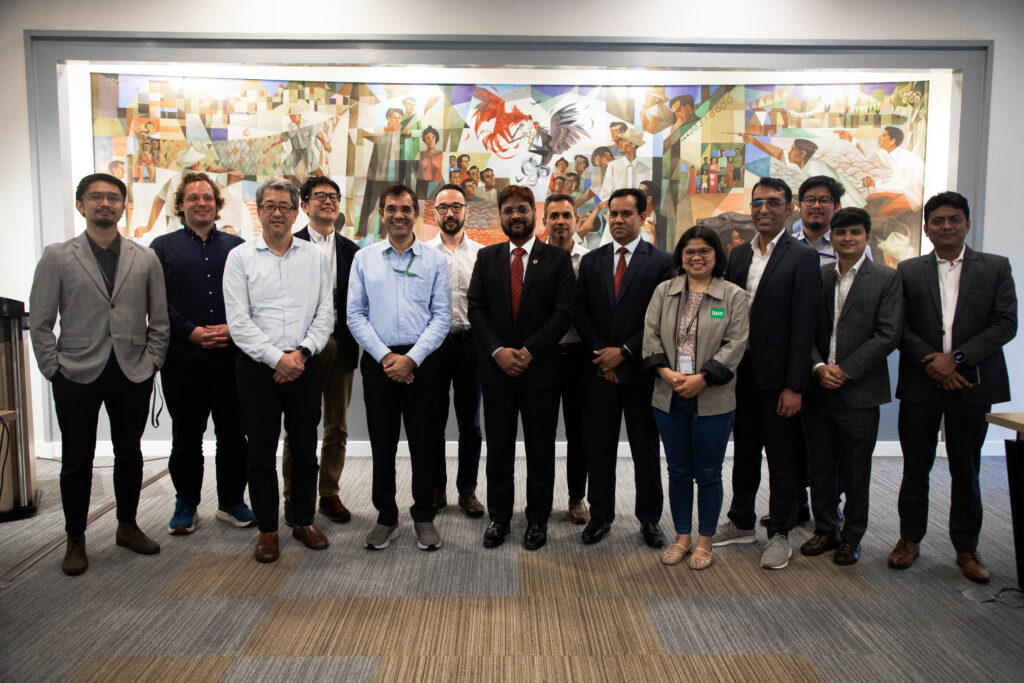
A six-member delegation from Bangladesh recently visited the International Rice Research Institute (IRRI) in the Philippines to explore innovative technologies and research approaches aimed at strengthening sustainable rice production and climate resilience in Bangladesh.
The visit was organized under the Introducing Water Efficient Technologies in the Barind Tract (IWET) project, which is supported by The Coca-Cola Foundation, co-supported by the 2030 Water Resources Group of the World Bank, and implemented by the Sustainable Agriculture Foundation Bangladesh.
The four-day study tour, held from 18–21 February 2026, included Md. Moktar Hossain, Joint Secretary from the Ministry of Agriculture; Dr. S. M. Hasanuzzaman, Project Director of the RDADP Project under the Department of Agricultural Extension (DAE); Mr. S. M. Aminuzzaman, Deputy Project Director (DPD) of the Agriculture Development Project for Rajshahi Division through Expansion of Modern Technology; two monitoring officers from the project, Md. Naim Hasan and Md. Anik Mehfuj; and Md. Abdur Rouf, Director of Program Development at SAF Bangladesh. The visit aimed to enhance technical knowledge, strengthen institutional collaboration, and identify practical solutions that can improve rice production systems while reducing environmental impact.
During the visit, the delegation participated in several technical sessions focused on key themes relevant to sustainable rice production, including:
- Alternate Wetting and Drying (AWD) for water-efficient rice cultivation
- Accelerating Methane Reduction (AMR) initiatives in rice systems
- Carbon credit pilots and digital Monitoring, Reporting, and Verification (MRV) systems
- Precision agriculture technologies, including drones and laser land leveling
- Digital decision-support tools designed to support farmers in crop management
These technologies are increasingly important for countries like Bangladesh, where rice production must adapt to water scarcity, climate change, and rising production costs.
At IRRI headquarters, the delegation attended presentations by senior scientists on the institute’s global research strategy and its ongoing collaboration with Bangladesh.
Key learning sessions included:
- Rice Crop Manager, a digital advisory platform that helps farmers make better crop management decisions
- Direct Seeded Rice (DSR) technologies for efficient crop establishment
- Greenhouse Gas (GHG) measurement systems used to monitor emissions in rice fields
- Precision agriculture solutions, including drone-based monitoring and data collection

The delegation also visited the Plant Growth Facility and the Grain Quality and Nutrition Center, gaining insights into advanced research on rice breeding, grain quality, and nutrition.
Field demonstrations of DSR technology, drone applications, and emission monitoring systems provided practical exposure to innovations that can improve productivity while reducing environmental impact.
One of the highlights of the visit was a tour of the International Rice Genebank, one of the world’s largest repositories of rice genetic resources.
The facility preserves thousands of rice varieties and wild relatives through advanced seed storage and conservation techniques. These genetic resources play a critical role in developing climate-resilient and high-yielding rice varieties capable of withstanding future environmental challenges.
Strengthening Collaboration for Sustainable Agriculture
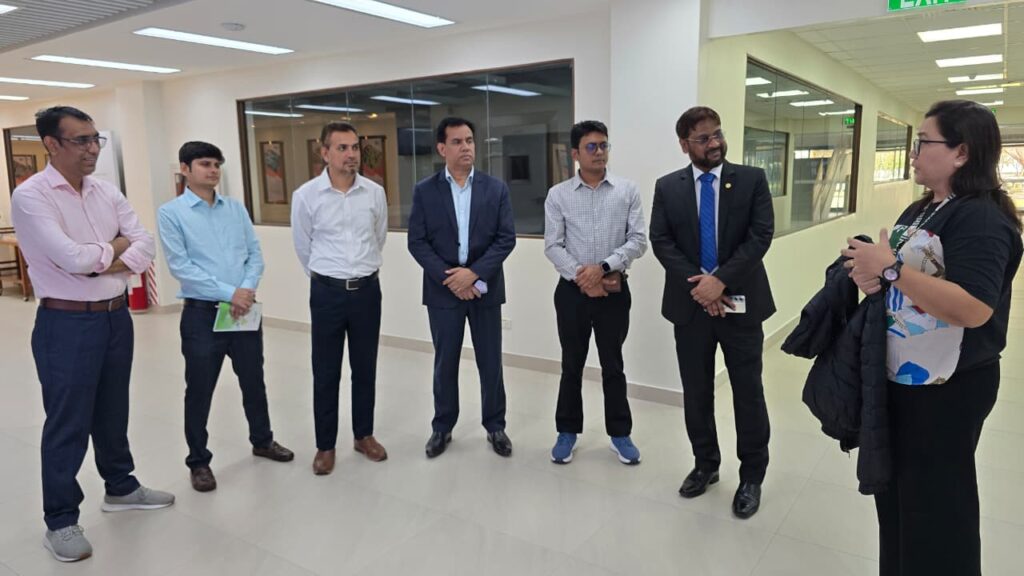
The study tour concluded with a strategic discussion between the delegation and IRRI scientists on potential areas for collaboration.
Key opportunities identified include:
- Pilot implementation of AWD and Direct Seeded Rice (DSR) technologies in selected areas of Rajshahi Division
- Capacity building on methane reduction and GHG monitoring
- Integration of digital advisory tools into agricultural extension services
- Strengthening collaboration between DAE, SAF Bangladesh, and IRRI
Toward Climate-Resilient Rice Production
The visit to the International Rice Research Institute provided valuable exposure to cutting-edge technologies and research that can support climate-smart agriculture in Bangladesh.
By adopting innovations such as water-efficient irrigation, precision farming, and digital advisory systems, Bangladesh can improve rice productivity while reducing environmental impact.
Through partnerships with global research institutions and development partners, the Sustainable Agriculture Foundation Bangladesh continues to support farmers in adopting sustainable practices that contribute to food security, climate resilience, and long-term agricultural sustainability.

Related Blogs



Climate Smart Agriculture
21 Aug 2023