Beyond the Field: Forging a Shared Responsibility Model for Scaling Climate-Smart Rice Production in Bangladesh
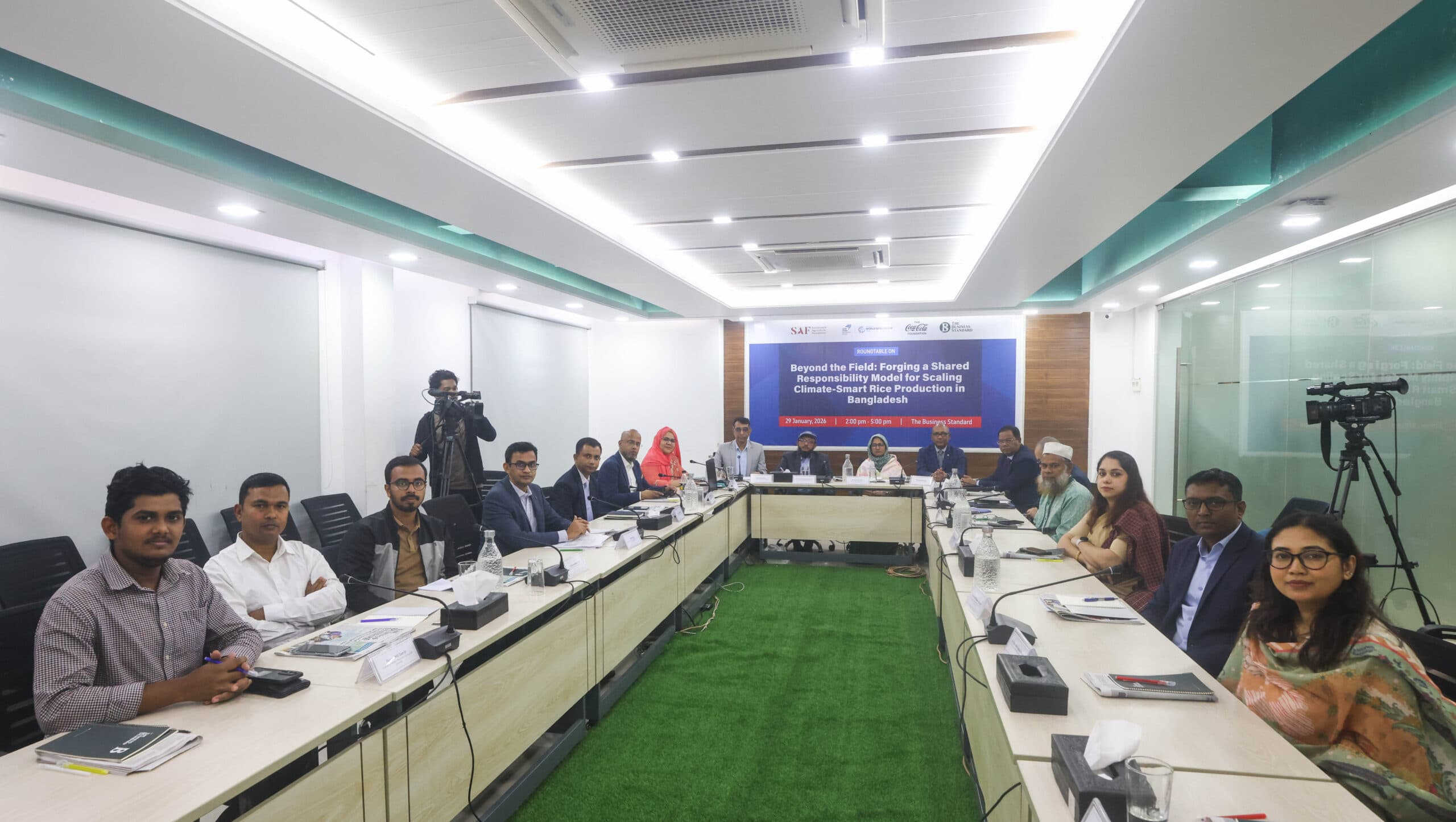
Roundtable Highlights | 29 January 2026 | Hosted by 2030 WRG & SAF Bangladesh | Media Partner: The Business Standard
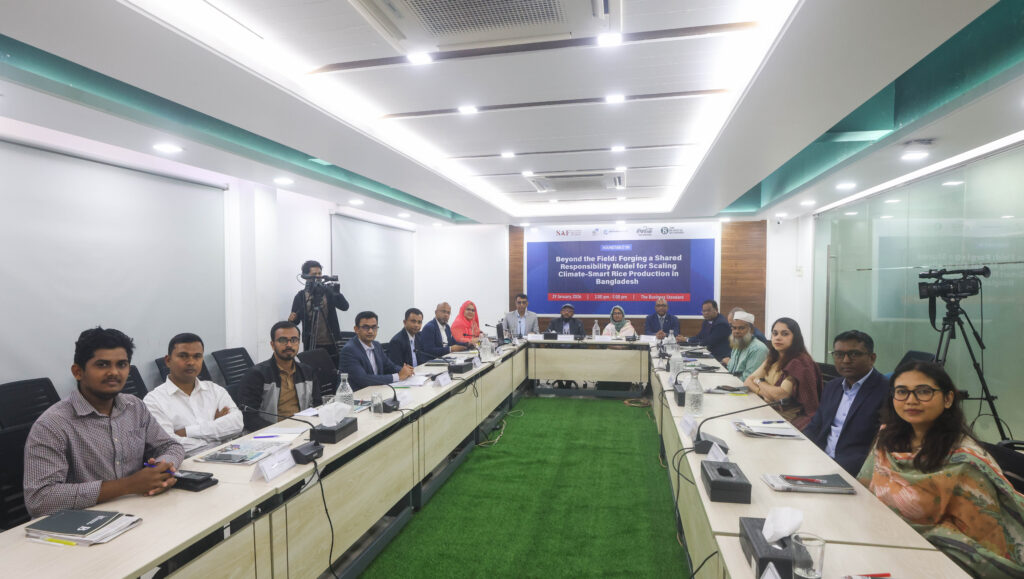
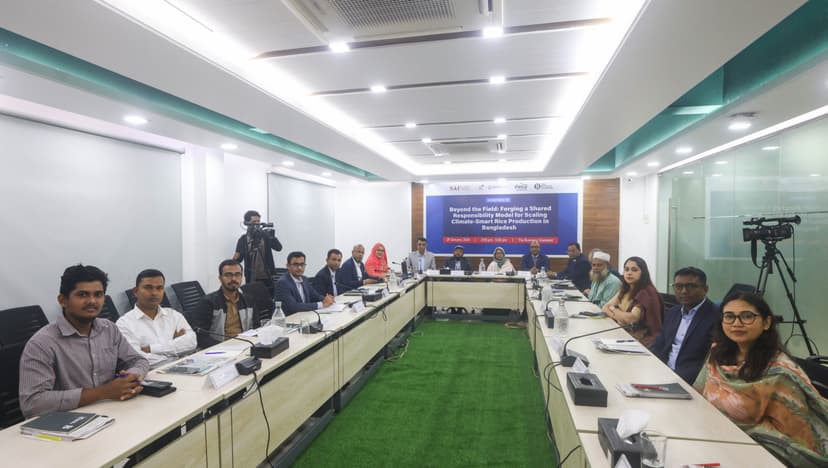
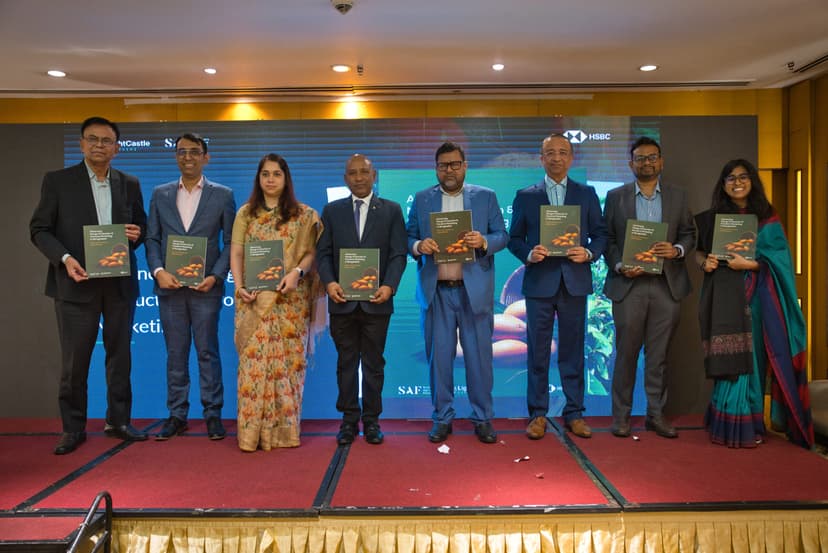
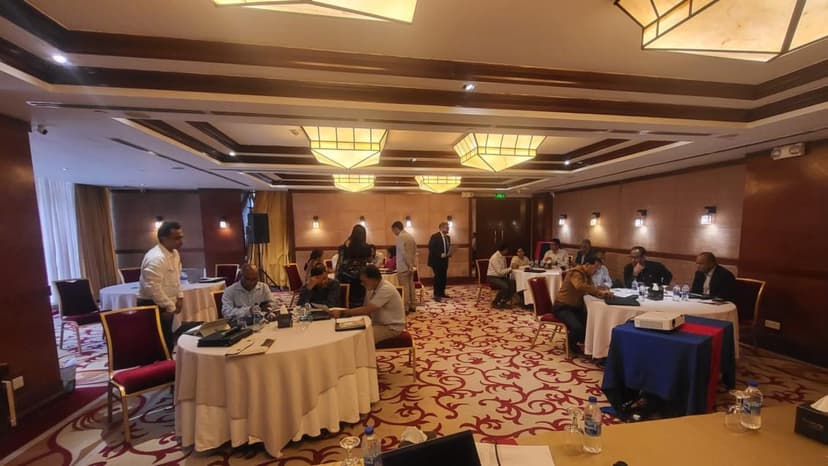
Bangladesh’s rice system sits at the intersection of food security, groundwater stress, and climate risk. While Alternate Wetting and Drying (AWD) has long been recognized as a proven, water-efficient and low-methane practice, its adoption remains limited—particularly in the drought-prone Barind region. To move beyond pilots and projects, the roundtable “Beyond the Field: Forging a Shared Responsibility Model for Scaling Climate-Smart Rice Production in Bangladesh” convened policymakers, private sector leaders, development partners, financial institutions, farmer groups, and the media to explore how AWD can be scaled through market-driven, multi-stakeholder collaboration, rather than relying solely on government-led promotion
Why AWD Matters for Bangladesh’s Rice System
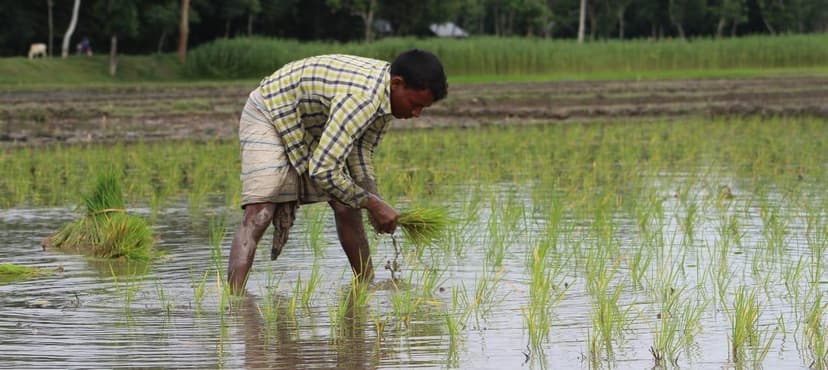
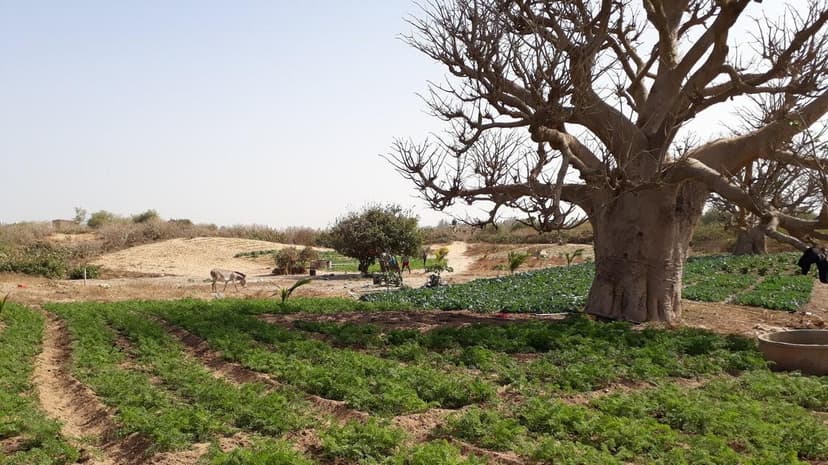
Rice remains the backbone of Bangladesh’s rural economy and national food security. Yet in drought-prone north-western districts, irrigation-dependent rice cultivation places increasing pressure on groundwater resources. AWD offers a practical pathway to reduce irrigation demand, lower methane emissions, and sustain yields—making it a critical climate-smart solution for Bangladesh’s boro rice system
Despite its proven benefits, AWD adoption remains low nationwide. Fixed-rate irrigation pricing weakens farmers’ incentives to save water, institutional fragmentation slows coordinated action, and knowledge gaps limit farmer confidence. As a result, AWD coverage remains below 10% of irrigated rice land, even after years of development support
Guest Voices: Rice Production and Groundwater Pressure
Moderated by Md Abdur Rouf, Director of Program Development, SAF Bangladesh, the session featured a keynote presentation by Syeda Sitwat Shahed, Agriculture Water Workstream Lead at the World Bank’s 2030 Water Resources Group (2030 WRG).
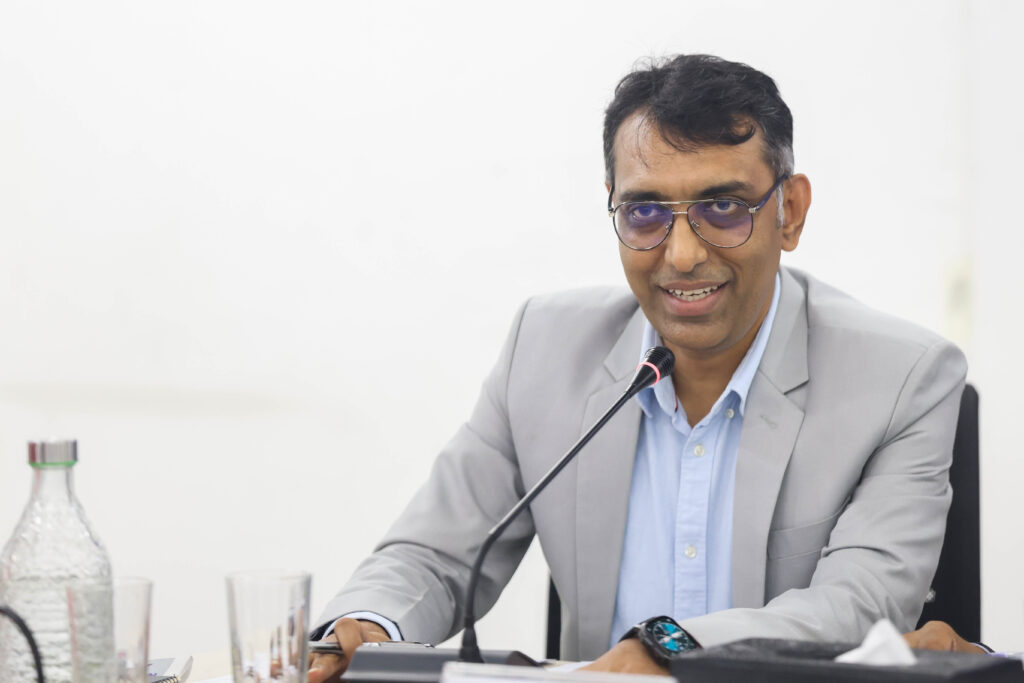
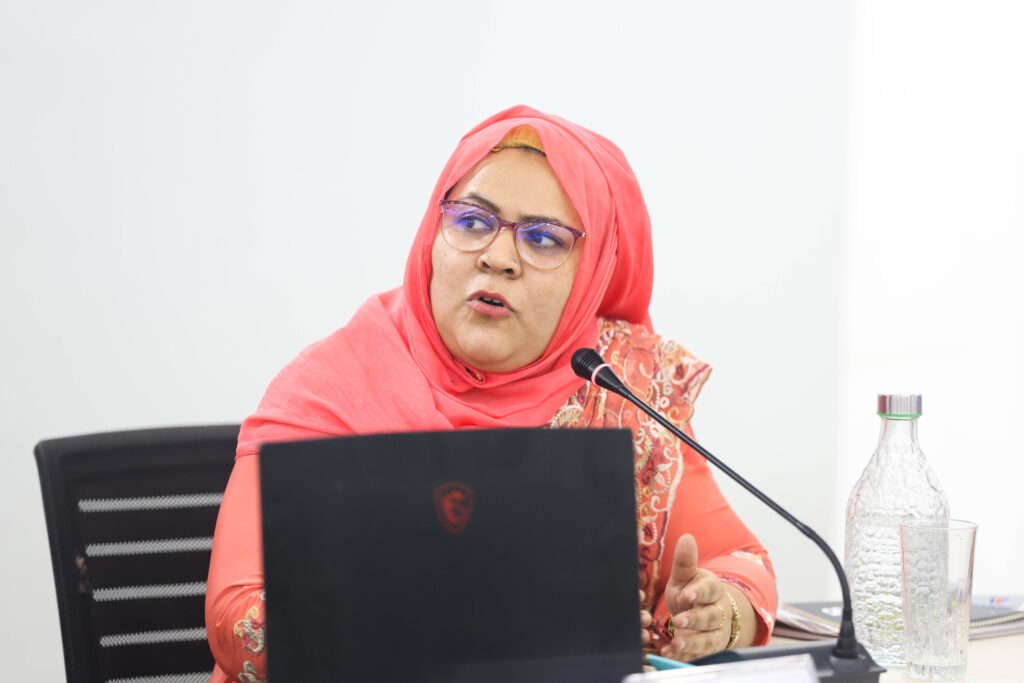
She noted that Bangladesh is the world’s third-largest rice producer, with rice forming the backbone of food security and the rural economy. Between 2018 and 2025, the Introducing Water Efficient Technologies (IWET) project supported by The Coca-Cola Foundation (TCCF), coordinated by 2030 WRG and implemented by SAF Bangladesh in the Barind Tract in Rajshahi, Chapai Nawabganj, and Naogaon, demonstrated the potential of AWD to reduce groundwater stress while maintaining productivity
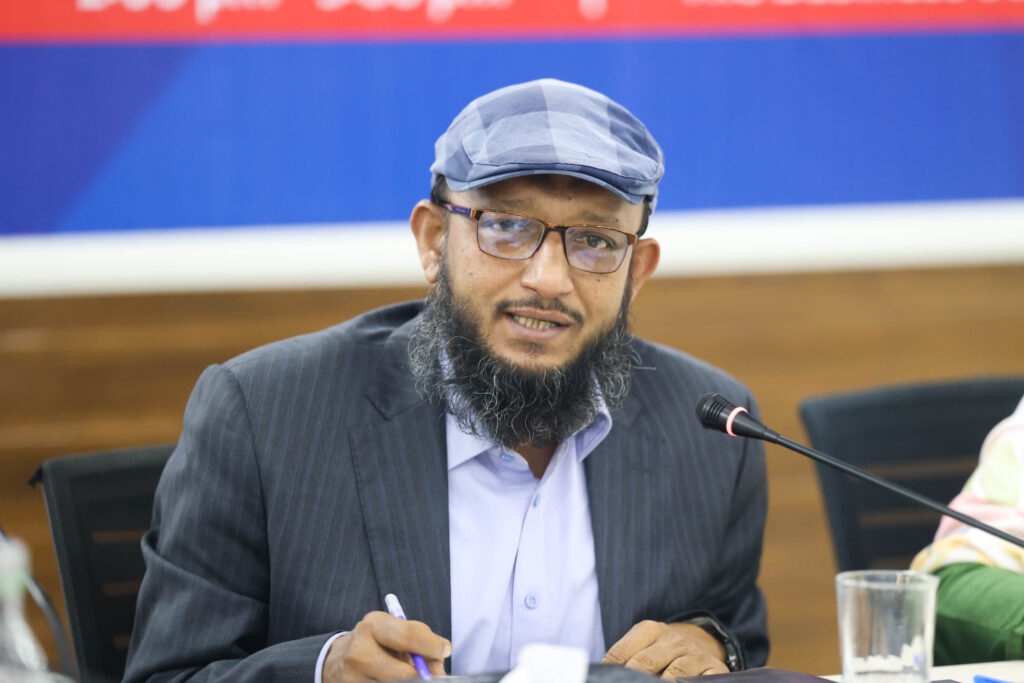
Abu Sayed Md Kamruzzaman, Executive Director of Barind Multipurpose Development Authority (BMDA), emphasized the operational barriers to adoption:
“AWD is essential for sustainable rice cultivation, but adoption is constrained by limited farmer training, uneven land levelling, and resistance from private irrigation pump operators.”
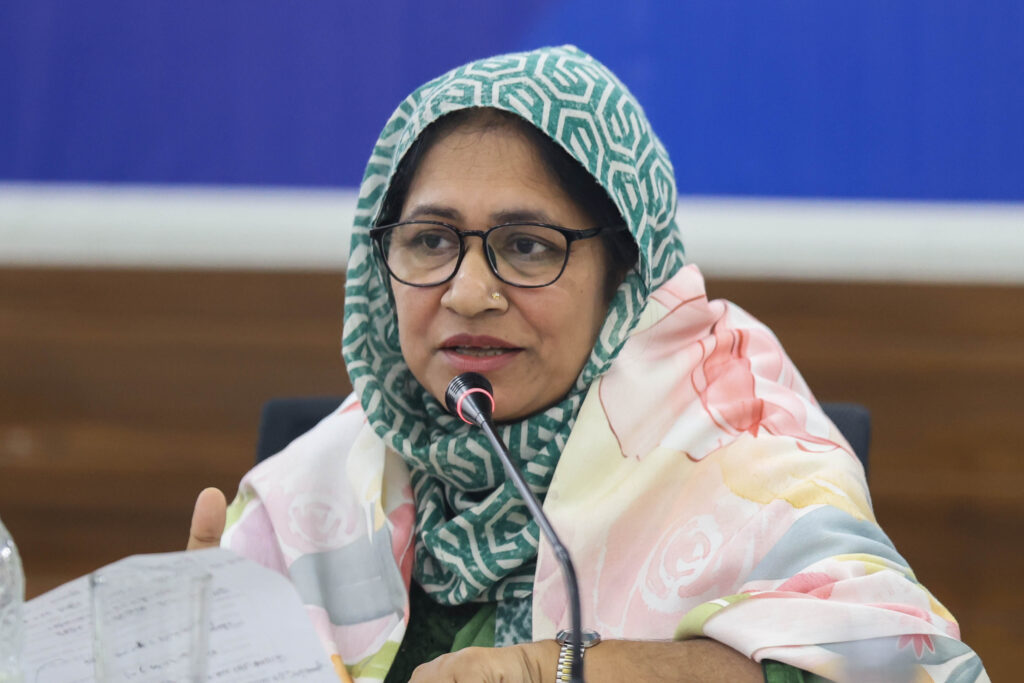
Highlighting the climate mitigation potential of AWD, Roksana Akter, Deputy Secretary at the Ministry of Agriculture, stated: “AWD can cut methane emissions from rice cultivation by up to 48%.”
“If scaled across 4.8 million hectares, it could generate more than six million carbon credits, valued at approximately $125 million.”
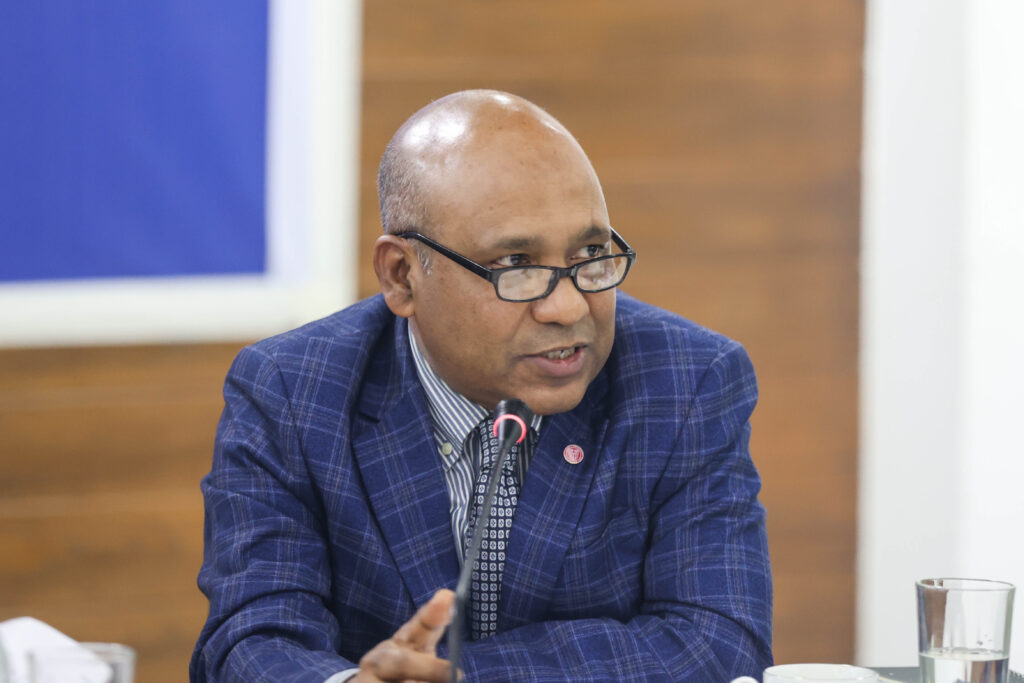
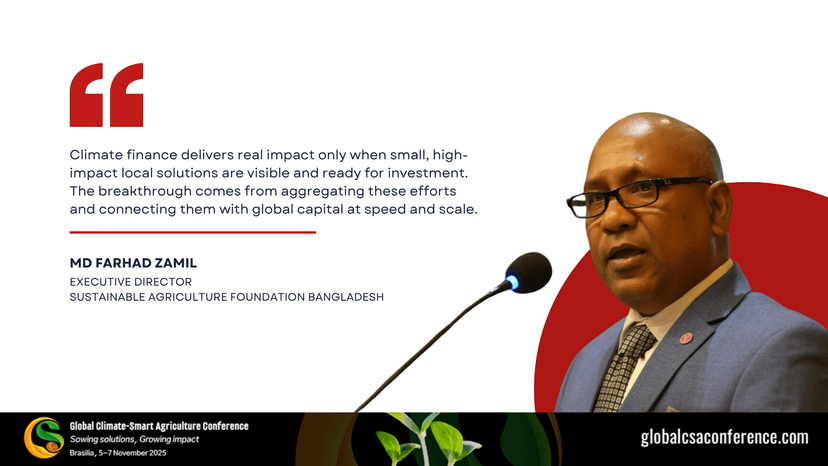
Reinforcing the urgency of reform, Md Farhad Zamil, Executive Director of SAF Bangladesh, noted: “Rice remains central to Bangladesh’s food security, yet traditional cultivation practices are depleting water resources and increasing climate risks.”
From Government Push to Market Pull
One of the strongest messages from the roundtable was the need to shift AWD scaling from a project-led, government-push model to a market-pull approach. Participants emphasized aligning incentives across the value chain, so that water savings, lower energy costs, and reduced emissions translate into tangible financial benefits for farmers.
Discussions explored transitioning from fixed-rate irrigation pricing to volumetric or time-based charging models (e.g., prepaid irrigation cards). Such reforms would directly reward farmers for using less water, making AWD an economically rational choice rather than an externally promoted practice
Building a Shared Responsibility Model
The roundtable highlighted that AWD will not scale through extension services alone. Sustainable adoption requires a shared responsibility model involving:
- Public sector leadership to create enabling policies and regulatory reforms
- Private sector participation to integrate AWD into irrigation services, input supply, and rice value chains
- Financial institutions to offer green finance products linked to water-saving practices
- Farmer organizations and service providers to localize training and demonstration
- Media and civil society to sustain public awareness and accountability
Participants agreed to pursue a multi-stakeholder working group to coordinate post-event actions and maintain momentum beyond the roundtable.
Event Snapshot
- Title: Beyond the Field: Forging a Shared Responsibility Model for Scaling Climate-Smart Rice Production in Bangladesh
- Date & Time: 29 January 2026 | 1:00 PM – 5:00 PM
- Hosts: 2030 Water Resources Group (2030 WRG) & SAF Bangladesh
- Media Partner: The Business Standard
- Participants: Government agencies, private sector, development partners, farmer groups, financial institutions, and media
To read more –
https://www.tbsnews.net/supplement/climate-smart-rice-shows-impact-scope-scaling-experts-1362871
Related Blogs



Climate Smart Agriculture
21 Aug 2023