
21 Agri-Entrepreneurs Incubated for Self-Reliance, Reaching 3,000 Smallholder Farmers in 2 Years.
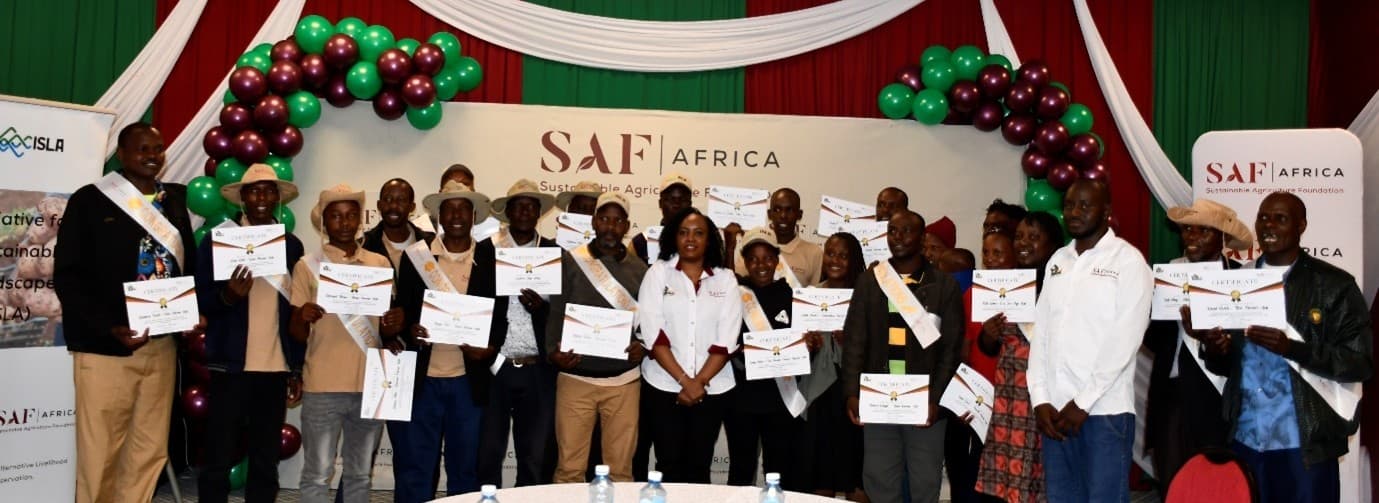
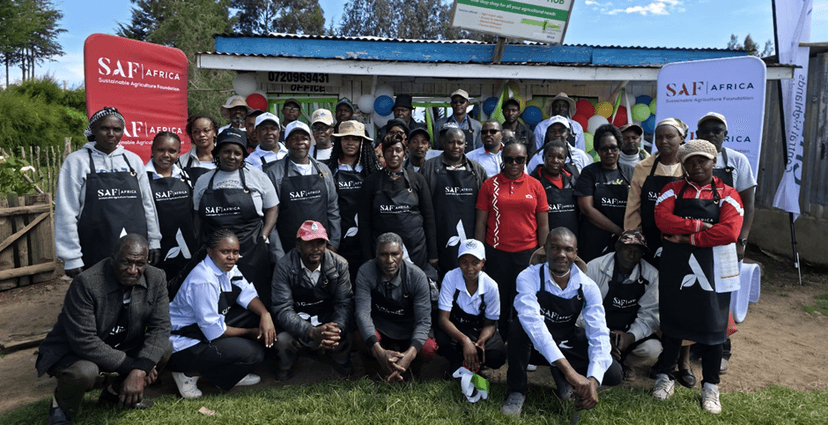
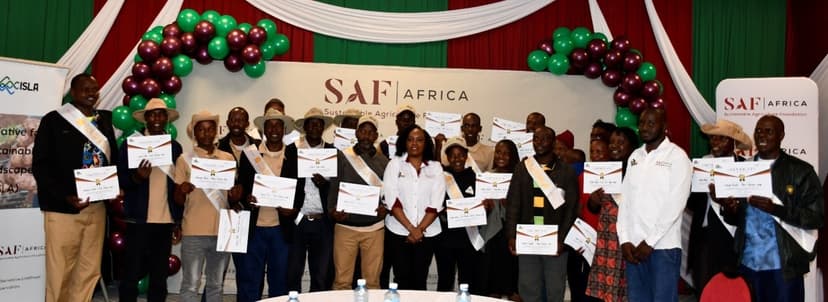
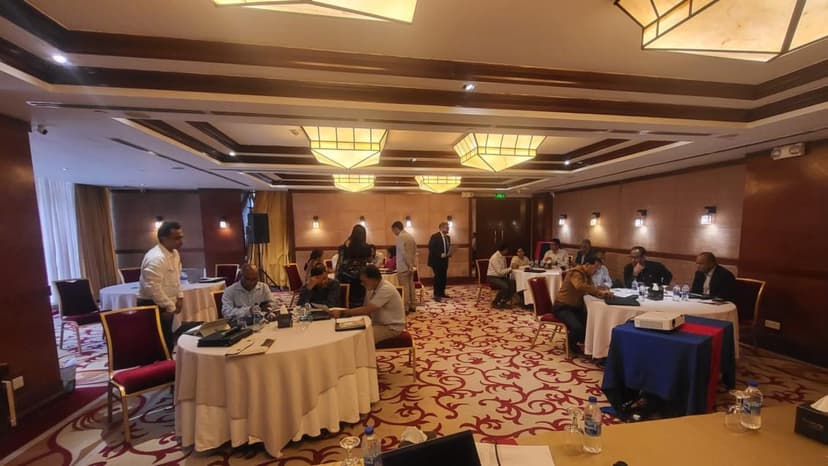
On 4th December 2025, 21 Agri-Entrepreneurs from Nakuru and Kericho counties graduated from SAF-Africa’s Potato for Livelihood Project (PLP). PLP, which has been implemented since January 2024 and is now wrapping up in December 2025, was co-funded by SAF-A and IDH under the Initiative for Sustainable Landscapes (ISLA).
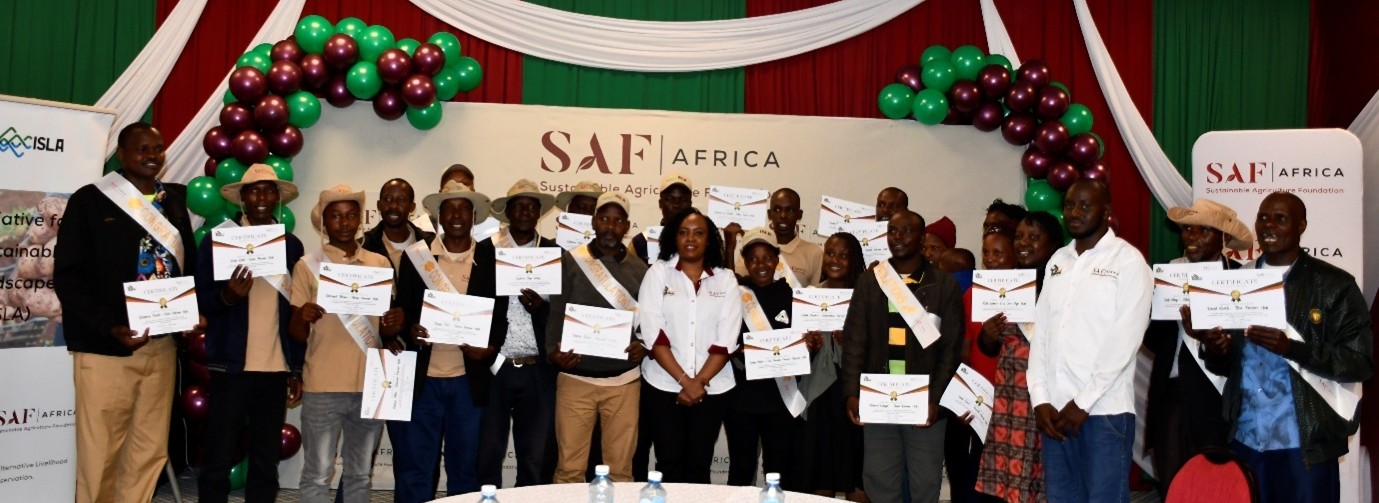
The project aimed to improve the livelihoods of local communities while promoting sustainable forest conservation practices by implementing income-generating initiatives for economic development and environmental preservation through potato farming.
PLP set out to establish 20 Farmers’ Hubs to deliver regenerative agriculture, climate-smart training, last-mile services to 3,000 smallholder farmers, and agroforestry through fruit trees for forest conservation, improving the livelihoods of more than 12,000 people. These graduating Agri-Entrepreneurs now lead the Farmers’ Hub model, providing farmers with a single access point for certified seeds, advisory services, training, financial support and market opportunities. The Hubs currently serve more than 3,000 farmers, each supporting between 150 and 200 smallholders.
The Farmers’ Hub is more than a service point. It is a platform for sustainable livelihoods that brings services closer to farmers. Through the Hubs, farmers learn from demonstration plots, adopt climate-smart and regenerative practices, strengthen their financial literacy and access the support they need to improve productivity and income.
Impact and Farmer Experiences “Through the PLP, we have empowered farmers with professional potato farming practices, financial training, and equipped them to digitalise their services through the ERP platform for better record-keeping. To address limited access to loans, Farmers’ Hubs through strengthened VSLAs now enable members to save and lend to each other. The project also provided avocado seedlings to farmers, helping diversify incomes while supporting re-afforestation of the Mau Forest ecosystem,” explained Faith Mbugua, Head of Agri Entrepreneurship Development at SAF-Africa.
PLP impact summary:
- 3,158 farmers engaged (38% women, 21% youth)
- 3,265 trained (63% women, 67% youth)
- Average yields increased from 3.2 to 7.56 tons/acre (136% gain)
- Annual business transactions per hub: KES 1.74 million
Graduates are now transforming their communities. Ruth Kabiru, one of the new Agri-entrepreneurs, shares: “I moved from traditional farming practices to being a director of a seed-merchant company. This project changed my mindset, taught me agronomy, provided branding and record-keeping skills. Now I serve other farmers in my region.”
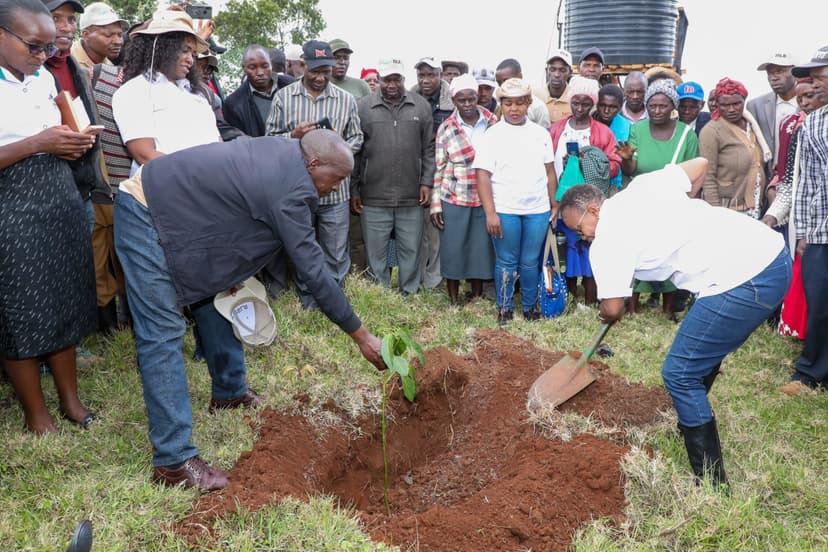
The Farmers’ Hub model ensures sustainability by converting hubs into profitable business entities, with entrepreneurs trained in full-cycle Agri-entrepreneurship modules. In addition to improving yields and incomes, the project has supported environmental conservation, planting 7,820 Hass avocado trees, adopting soil health interventions, and promoting agroforestry and climate-smart practices.
Strengthening Sustainability
“The Nakuru County government applauds the Farmers’ Hub model, as it has proven efficient for channelling technology, ideas, and funding directly to the field. We will add these graduates to the county’s Agri-preneurs list, giving them access to extension services, learning opportunities, and partner networks.” Said Kibet Kurgat, Chief Officer for Cooperatives in Nakuru, one of the keynote speakers.
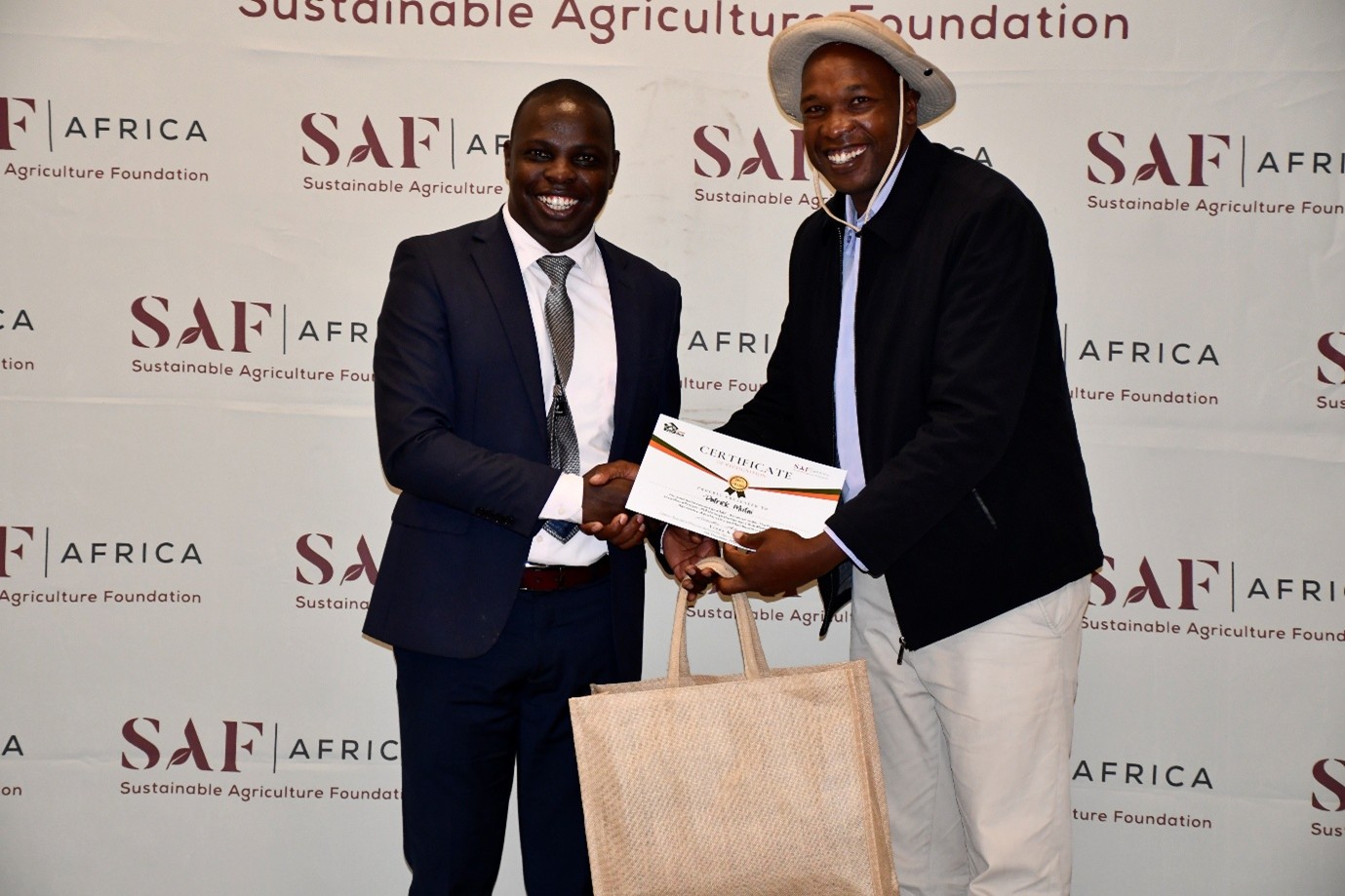
This model is not just about yield, it is about building a sustainable agricultural system led by women and youth, where smallholders thrive and agriculture supports both people and the planet.
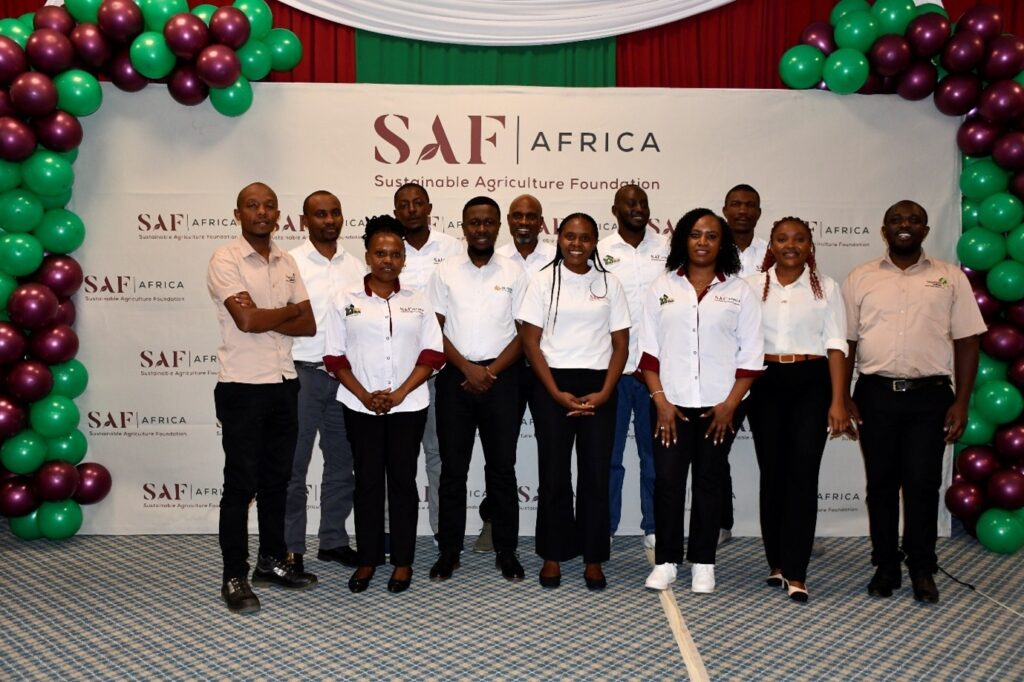
“SAF-A applies a One Foundation approach, where different streams collaborate and leverage each other’s strengths for success. For example, during the implementation of this project, the Seeds2B stream, with its expertise in the seed sector, supported PLP by strengthening the seed component of the project.” Manasseh Githinji, Program Manager Kenya Seeds2B Africa explained during the graduation.
What Lies Ahead!
“As PLP wraps up, the next phase focuses on ensuring continuity and local ownership. The trained Agri-Entrepreneurs are being formally handed over to the county governments to strengthen ongoing support and extension services. Those engaged in seed multiplication will continue receiving technical follow-up through the Seeds2B stream to sustain clean seed production. The existing VSLAs have been strengthened through enhancing their capacities and are now officially registered to ensure access to financial. These steps secure the foundation for sustained impact beyond the project period.” Concludes Faith Mbuguah.
Related Blogs







Climate Smart Agriculture
21 Aug 2023
