
Integrated Agri-Support Program for improving production, nutrition and climate resilience for farmers in Bangladesh (IASP)
Donor:Sustainable Agriculture Foundation International Association (SAFIA)
Tenure:30 Nov 2024 - 31 Oct 2026
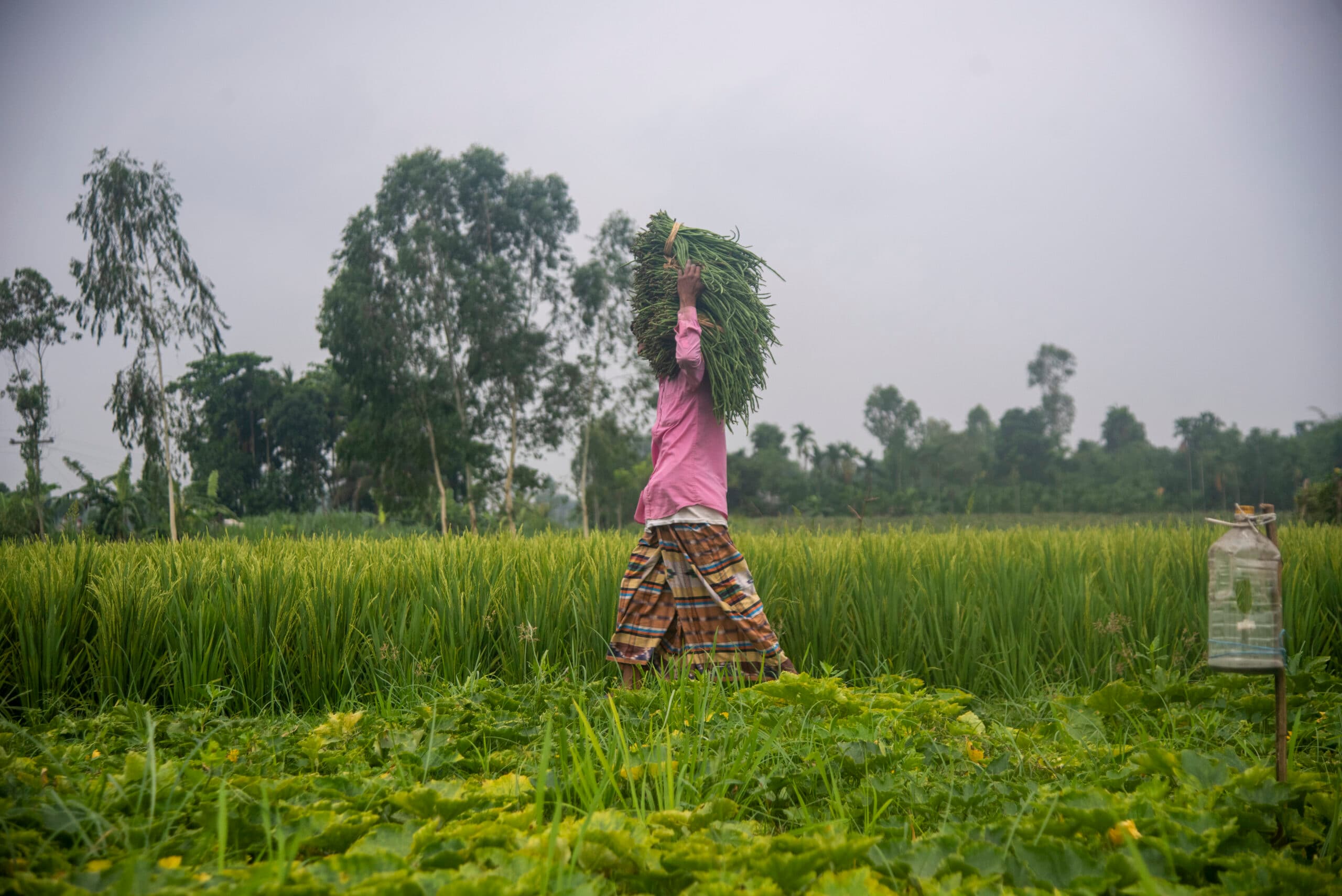
| Duration | 31 Nov 2024 – 31 Oct 2026 |
| Location | 4 District (Rangpur, Dinajpur, Rajshahi, Natore), 11 Upazilas |
| Outreach | 500,000 Farmer Families |
| Partners | NA |
Context:
Bangladesh is experiencing rapid population growth, increasing by about 2.5 million people annually, while simultaneously losing around80,000+ hectares of arable land each year due to urbanization and infrastructure development. This dual pressure poses a significant challenge to national food security.
Key Challenges
- Heavy reliance on rice production, with insufficient diversification into nutrient-rich crops (pulses, oilseeds, vegetables, fruits)
- Declining soil health and increasing climate change impacts
- Limited mechanization and gaps in safe food production systems
- Weak access to quality agricultural inputs and advisory services
- Food security constrained not only by availability but also by limited purchasing power
Strategic Focus
The National Agriculture Extension Policy 2020 emphasizes transitioning toward:
- Sustainable, climate-resilient, and diversified agriculture
- Nutrition-sensitive food systems
- Market-oriented and profitable farming practices
Proposed Intervention
The Sustainable Agriculture Foundation Bangladesh (SAF Bangladesh) will implement a model to:
- Develop 200 agricultural entrepreneurs (“Farmers Hub”)
- Each entrepreneur will support 300–1000 farmers
- Deliver services including:
- Climate-resilient inputs and technologies
- Mechanization services (fee-based)
- Market linkage and fair pricing support
- Free advisory and training services
Digital Innovation
Introduction of “e-Farmers Hub”, a digital platform to:
- Maintain farm and business records
- Provide real-time advisory, weather alerts, and market information
- Strengthen farmer connectivity and decision-making
Expected Outcomes
- Improved food and nutrition security
- Increased farmer productivity and income
- Enhanced resilience to climate change
- Stronger market integration for smallholder farmers
Development Support
The initiative is supported by the Swiss Agency for Development and Cooperation (SDC) under its Global Programme Food Security (GPFS), with a focus on nutrition, health, and inclusion of women, youth, and vulnerable groups
Specific Objectives of the Farmers Hub Project for Agricultural Market Development
Specific objectives:
- Increase productivity of small and marginal farmers by transferring and applying improved and sustainable agricultural technologies.
- Enhance income of small and marginal farmers by developing new agricultural entrepreneurs and linking them with effective market management systems.
- Create better and more profitable market access opportunities for farmers through demand-based crop production planning and improved practices.
- Develop, introduce, and ensure easy access to crop insurance schemes for farmers to address climate-related risks such as drought, floods, pests and diseases, excessive rainfall, and temperature fluctuations.
Improve health and nutrition and contribute to poverty reduction, especially among women, youth, and vulnerable groups in urban areas of Bangladesh.
Key Activities:
- Conduct field-level trials and demonstrations for new and modern agricultural technologies
- Carry out research activities for developing and improving new crop insurance products
- Conduct surveys on agricultural insurance market systems
- Collect weather data and crop yield information from meteorological departments and relevant public and private institutions
Research/Survey
- Provide support to local entrepreneurs for establishing new Farmers Hubs
- Support existing Farmers Hubs to improve their business service quality
e-Hub Software Development & Management
- Maintenance of e-Hub software
- Cloud server management and software maintenance
- Need-based modernization and upgrades
- Establishment of help desk and ensuring customer services
Grants/Subsidies/Assistance
- Demonstration of safe vegetable production
- Organize of Farmers Hub inauguration events
- Organize of annual farmer gatherings and consultation meetings
- Selection, import, and testing of new agricultural machinery
- Development of promotional and marketing materials for Farmers Hub services
- Implementation of awareness campaigns (miking, posters, leaflets, audio-video promotion, participation in fairs, etc.)
- Development and promotion of agricultural insurance awareness materials and campaigns
Urban Food System & Nutrition Components
1. Strengthening Urban Food Systems
- Strengthen improved urban food systems through active participation of women and youth
- Establish multi-stakeholder nutrition platforms
- Develop and strengthen nutrition action plans
- Ensure participation of women, youth, and civil society in project platforms
- Promote locally produced, nutritious, and environmentally friendly food through public procurement systems
2. Improving Access to Nutritious Food
- Enhance production of safe, healthy, and diverse foods at the local level
- Ensure these foods are accessible and affordable for urban populations
3. Creating Demand for Nutritious and Agro-ecologically Produced Food
- Generate demand for nutritious and agro-ecologically produced food, supported by baseline surveys or formative research.
3.1 Use and implement SBCC (Social and Behavior Change Communication) strategies to influence the behavior of consumers and producers in urban areas.
3.2 Integrate health and education sectors into the initiative.
3.3 Provide training to address knowledge and demand gaps among consumers through project interventions.
4. Strengthening Nutrition Knowledge & Policy Linkages
- Promote knowledge exchange on global and national nutrition policies and urban-centered nutrition learning to create an enabling environment for nutritious food consumption in both urban and rural areas.
4.1 Promote and expand nutrition-related programs and awareness campaigns at the national level to influence policy formulation.
4.2 Ensure that lessons learned from urban nutrition initiatives and public-private partnerships are reflected in national policies.
4.3 Promote inter-city learning exchange initiatives.
4.4 Implement strategies for scaling up model nutrition management systems.
Awareness / Motivation / Advocacy / Communication
- Annual project planning workshops
- Project coordination meetings
- Annual planning, business progress review, and exchange workshops for network managers (1 day)
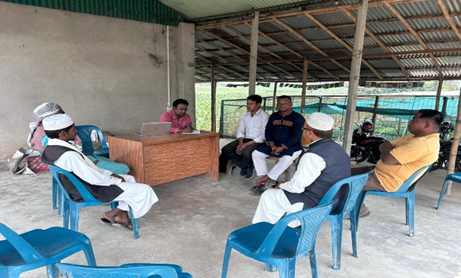
- Farmer meetings
- Sensitization meetings with local government, insurance companies, and distribution partners
- Organize seminars, conferences, workshops, exposure visits, and trainings (as required)
Seminars / Meetings / Conferences
- Organize demand-based capacity development training for project staffs (national/international)
- Training for Farmers Hub managers and network managers on:
- Business planning and implementation processes
- Financial management and IRP
- Technical training on selected crops and marketing (1 day)
- Training for Farmers Hub owners on selected crops:
- Group formation
- Production planning
- Cultivation techniques
- Harvesting and storage (1 day)
- Capacity-building training for insurance distribution partners
Achievements (so far)
- Entrepreneurial Network: Successfully identified and onboarded 200 potential rural entrepreneurs (including youth and women) across the North-Western region.
- Capacity Building: Completed foundational business management and technical training for all onboarded entrepreneurs, focusing on the “Farmers’ Hub” commercial model.
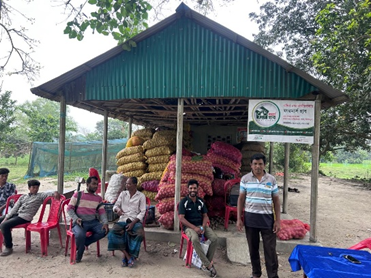
- Infrastructure Development: Facilitated the construction and operational setup of 200 physical Hub locations, ensuring strategic road connectivity and community access.
- Digital Integration: Successfully rolled out the “e-Farmer’s Hub” digital platform, enabling entrepreneurs to track business transactions and provide real-time advisory services.
- Market Linkages: Established formal MoUs with leading national agri-input companies and output buyers, ensuring a stable supply chain and fair market access for farmers.
- Community Outreach: Registered and provided services to over 500,000 marginal farmer families, delivering climate-smart technology and high-quality inputs.
- Knowledge Transfer: Organized exposure visits to high-performing agribusiness sites, resulting in the adoption of improved post-harvest handling techniques across 80% of the Hubs.
Related Projects & Programs
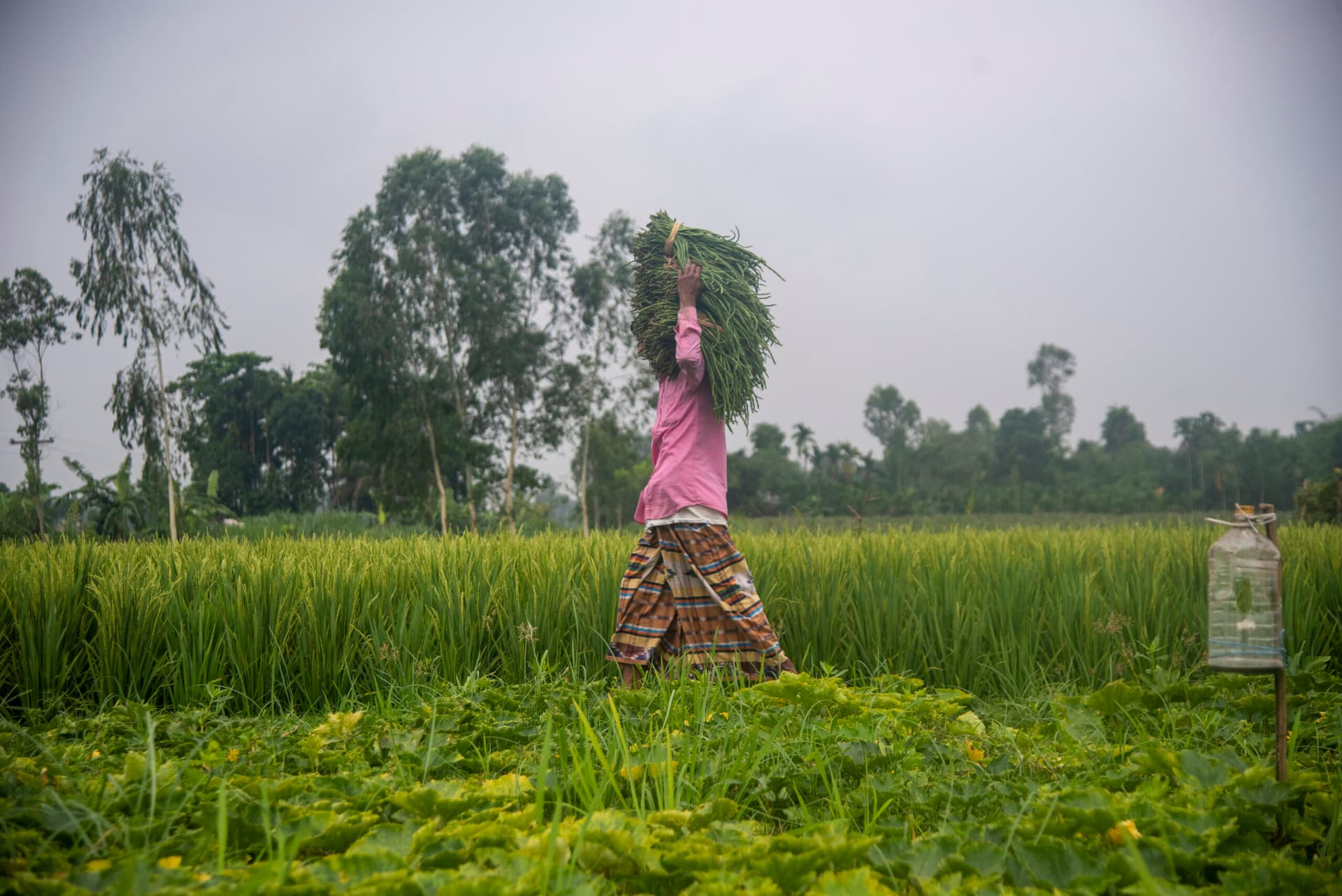
Integrated Agri-Support Program for improving production, nutrition and climate resilience for farmers in Bangladesh (IASP)
Sustainable Agriculture Foundation International Association (SAFIA)
This project aims to strengthen Bangladesh’s agriculture by promoting climate-resilient, diversified, and market-oriented farming systems. It focuses on improving farmers’ productivity, income, and nutrition through the development of Farmers’ Hubs, digital services, and better market access. Ultimately, it seeks to enhance food security, build climate resilience, and improve the livelihoods of smallholder farmers and vulnerable communities
Climate Resilient Agricultural Advancement in Barind (CRAAB)
Hongkong Shanghai Banking Corporation Limited (HSBC)
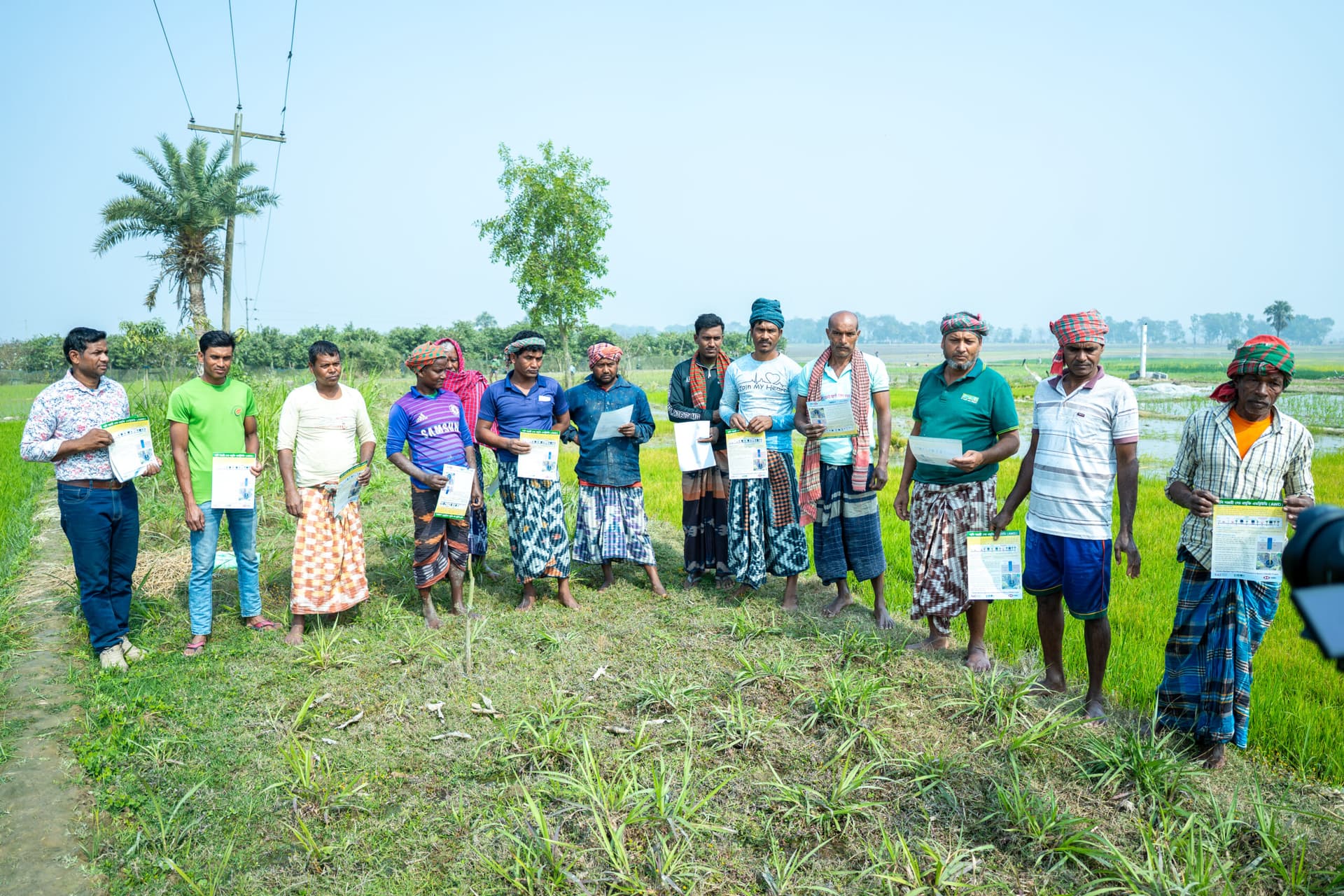
This project's goal is improved well-being of 25,000 farmers in Barind Tract with climate-smart agriculture practices, boosted irrigation efficiency and farm productivity, and expanded local agribusiness opportunities connecting a strong public-private stakeholder network.