
Schools Are Shaping a Healthier Future: SAF Bangladesh at International Nutrition Olympiad 2025
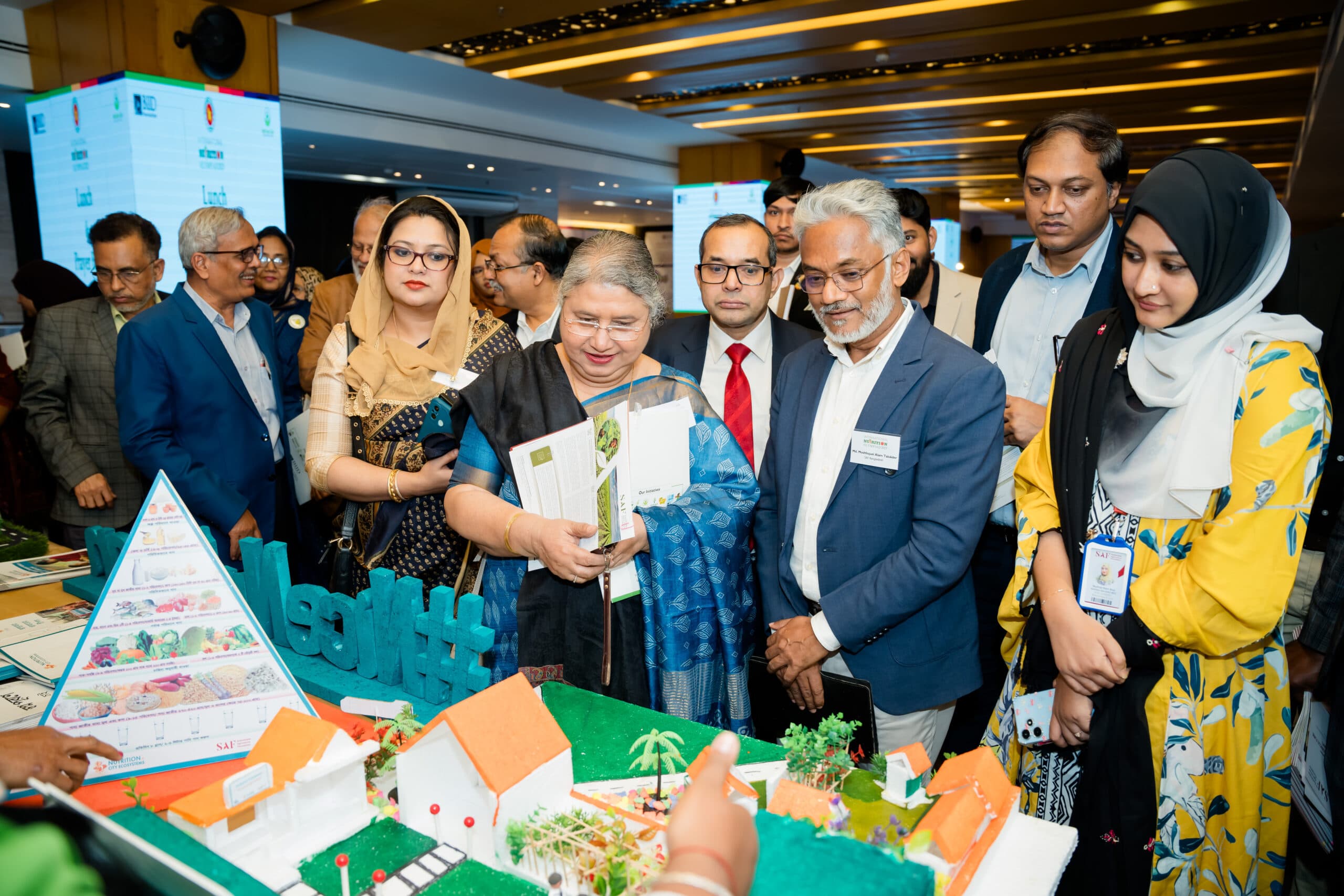
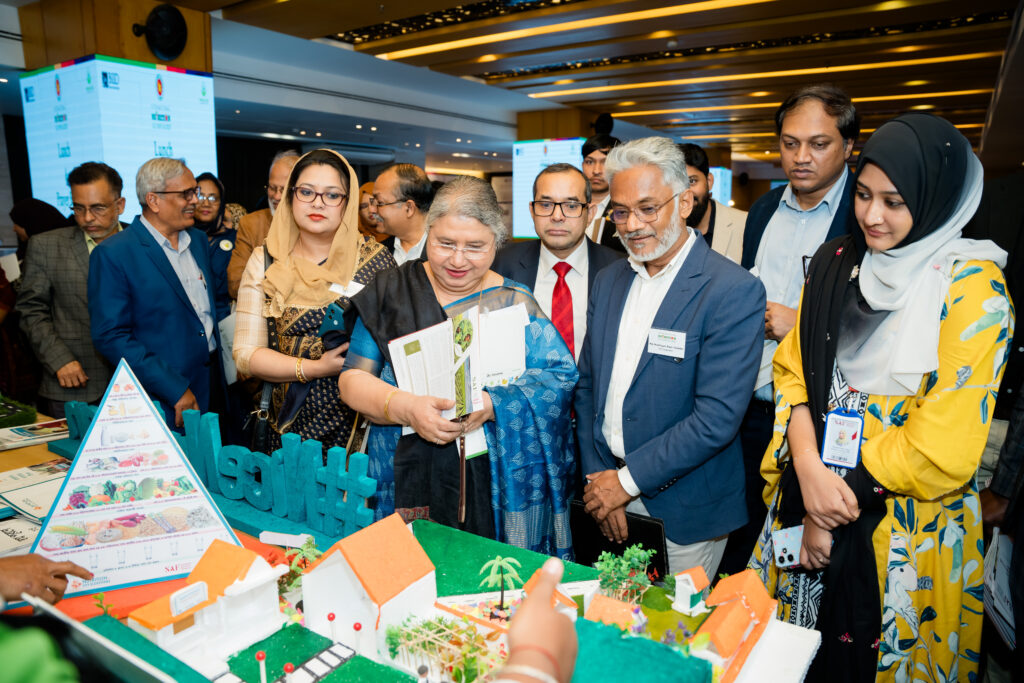
At the prestigious International Nutrition Olympiad (INO) 2025, Sustainable Agriculture Foundation Bangladesh (SAF Bangladesh) highlighted how simple, school-based actions can play a powerful role in building healthier food habits and safer food systems for the future.
Through its NICE Project, SAF Bangladesh demonstrated how schools can serve as the starting point for nutrition awareness, healthy eating, and youth-led change.
Schools as Centers of Nutrition Learning
At the event, SAF Bangladesh hosted an interactive stall that attracted students, teachers, parents, and policymakers. The stall demonstrated how everyday school activities can shape lifelong food habits. The NICE Project focuses on three main areas:
1. Nutrition Clubs: Learning from Each Other
Under the NICE Project, 40 Nutrition Clubs have been formed in 40 schools, each with 25 student members, creating a network of over 1,000 young nutrition advocates.
In these clubs, students:
- Discuss healthy food choices
- Learn about balanced diets
- Run peer-led awareness sessions
- Organize creative campaigns inside schools
Because students learn from each other, nutrition messages become more relatable and easier to follow in daily life.
2. School Gardening: From Soil to Plate
School gardens act as living classrooms. Students grow vegetables in their schoolyards and learn:
- How food is produced
- Why fresh, local food is healthier
- Agroecological farming practices
The project encourages minimal use of chemical pesticides and promotes safer methods like biocontrol, helping students understand how food can be grown in harmony with nature. These gardens not only supply fresh produce but also inspire respect for agriculture and the environment.
3. Behavior Change Communication: Making Healthy Food Fun
To move beyond lectures, the NICE Project uses hands-on and fun learning methods, such as:
- Play-based learning activities
- Cooking demonstrations
- Recipe and fun-based booklets
In these sessions, students prepare and explore healthier food options. They learn why these foods are better and how to prepare them, knowledge they often share with their families at home.
Panel Discussion: Youth at the Heart of Food System Change
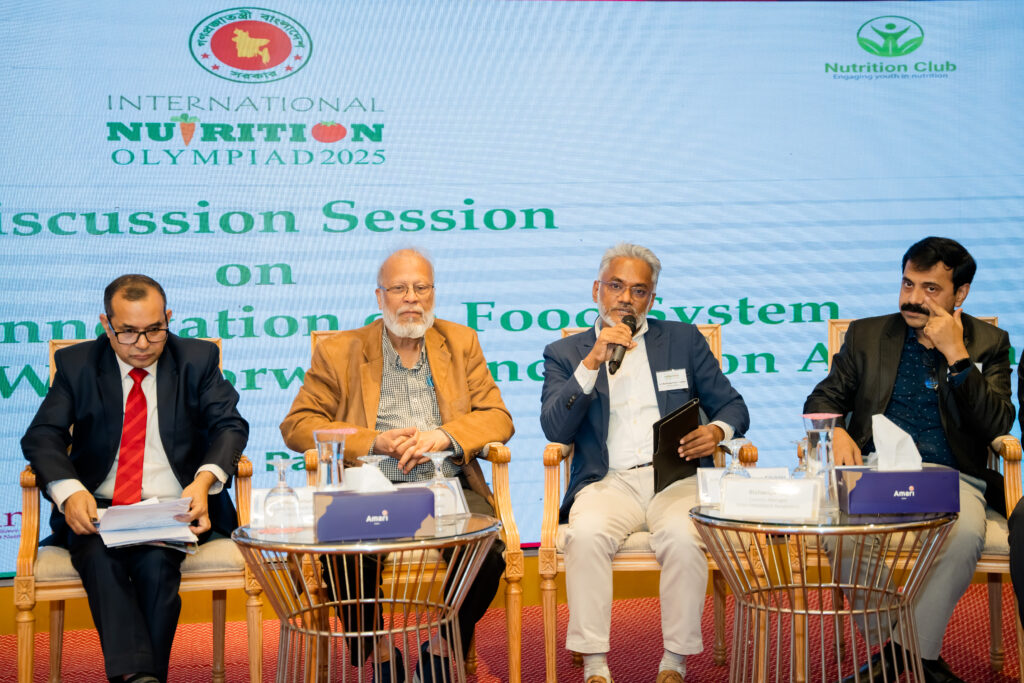
SAF Bangladesh also took part in a key panel discussion titled:
“Youth-Led Innovation on Food System Transformation: Way Forward and Action Agenda.”
During the discussion, Moshfequel Alam Talukder, Project Manager of the NICE Project, emphasized that safer and healthier food systems must start with awareness. “Reducing food contamination begins with proper handling and awareness—from production to consumption. We also need to promote fresh, local foods instead of depending heavily on packaged items,” he explained. He highlighted that meaningful change requires strong collaboration between communities, schools, and government institutions.
The conversation became even more powerful when a mentor teacher from Novara High School, Dinajpur raised a concern shared by many: “Students are increasingly consuming packaged foods. How can we reduce food contamination and make healthy food more attractive? We need stronger government attention.” This question highlighted the urgent need for policy support alongside school-level action.
Panelists agreed on three key steps to move forward:
- Nutrition Education in Schools
Practical food and nutrition lessons should be part of the regular school curriculum. - Ongoing Awareness Campaigns
Youth voices and creative communication should be used to promote healthy, local foods. - Stronger Food Safety Policies
Governments must ensure safe food standards and make healthy choices easier for everyone.
A Clear Call to Action
One major outcome of INO 2025 was a clear policy recommendation:
Youth-led nutrition and agriculture activities should be formally included in the upcoming National Plan of Action for Nutrition (NPAN3).
SAF Bangladesh, through the NICE Project, strongly advocates for recognizing schools as key drivers of food system transformation and young people as agents of change.
Looking Ahead
SAF Bangladesh remains committed to connecting community-level innovation with national policy, ensuring that the ideas, energy, and leadership of young people help build a healthier, safer, and more food-secure future for Bangladesh.

Bangladesh Delegation Explores Climate-Smart Rice Technologies at IRRI
Los Baños, Laguna, Philippines | 18-21 February 2026 A six-member delegation from Banglad...
Read More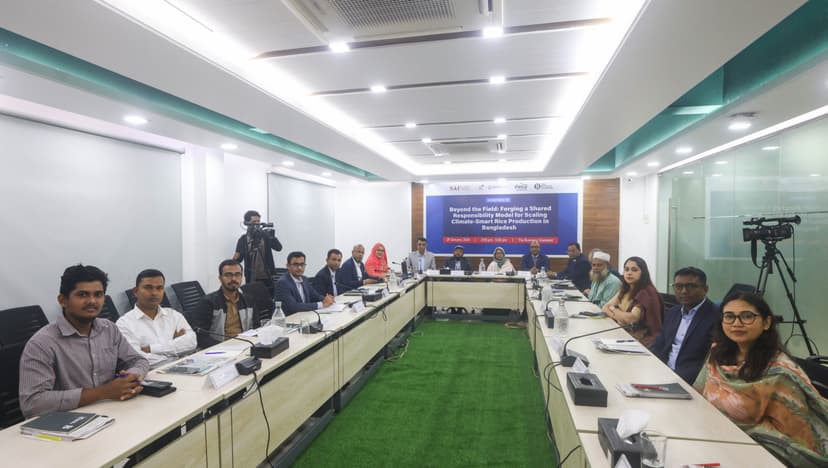
Beyond the Field: Forging a Shared Responsibility Model for Scaling Climate-Smart Rice Production in Bangladesh
Roundtable Highlights | 29 January 2026 | Hosted by 2030 WRG & SAF Bangladesh | Media Partner: ...
Read More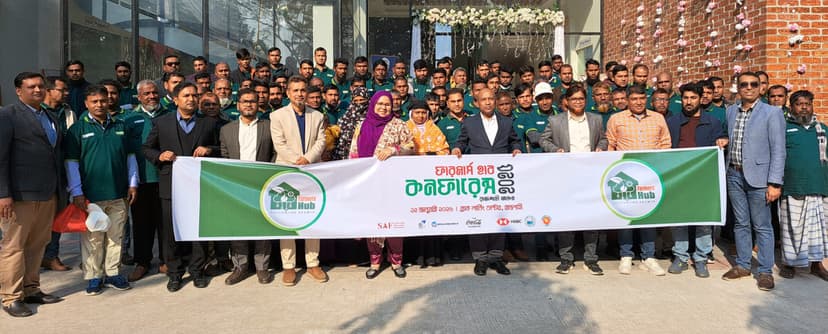
Farmers’ Hub Conference 2025 – Rajshahi
Building Climate-Resilient Market Systems in the Barind Tract On 12 January 2026, more tha...
Read More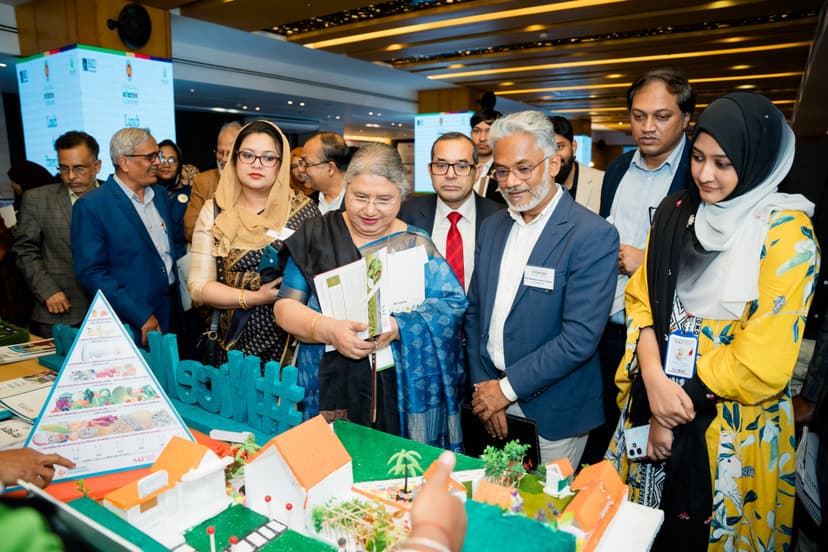
Schools Are Shaping a Healthier Future: SAF Bangladesh at International Nutrition Olympiad 2025
At the prestigious International Nutrition Olympiad (INO) 2025, Sustainable Agriculture Found...
Read More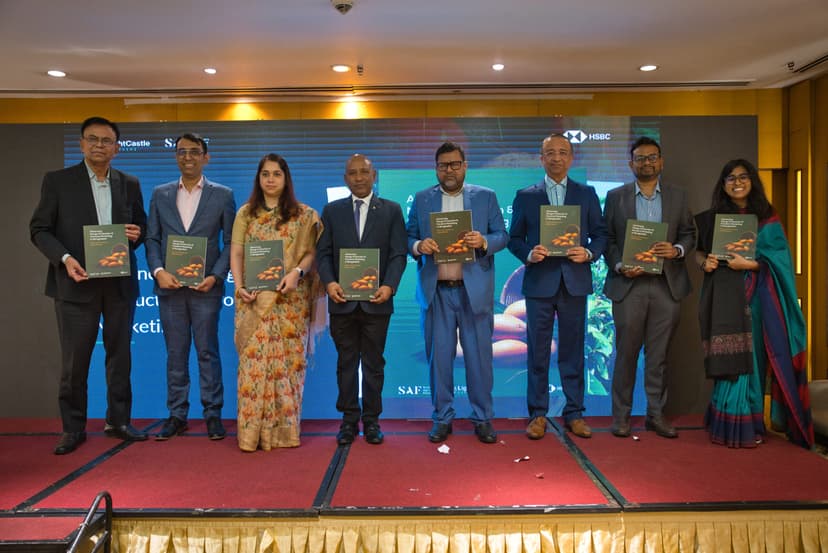
Advancing Mango Value Chains for Export Diversification in Bangladesh
As Bangladesh prepares for graduation from Least Developed Country (LDC) status in 2026, expo...
Read More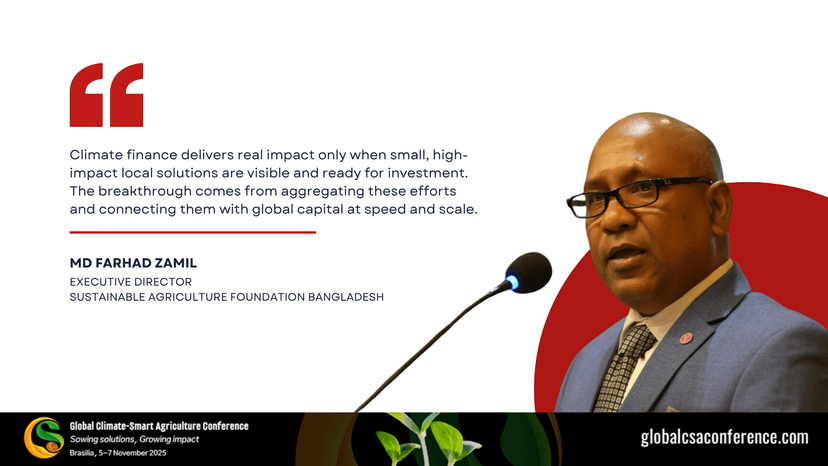
Md. Farhad Zamil, Executive Director of SAF Bangladesh, attended the Global Climate-Smart Agriculture Conference 2025 in Brazil
The Global Climate-Smart Agriculture Conference 2025, held from 5–7 November 2025 in Brazil, br...
Read More
Farmers’ Hub Agri-Mechanization Services – Driving Efficiency, Productivity, and Climate-Smart Farming
The Farmers’ Hub (FH) model under the IWET Project serves as a business-driven, farmer-centered pla...
Read More
Rural Entrepreneurship and Youth Empowerment
What helps young people succeed in rural business? Rural transformation is vital for economic devel...
Read More
Harmonizing Agriculture with Disease Control through AWD
In our latest webinar, we offered a comprehensive perspective on the complex relationship between a...
Read More
Shifting Focus to Climate-Smart Agriculture: The Importance of Stakeholder Engagement
Stakeholders from various sectors utilizing a newly developed climate-smart agriculture decision-su...
Read More
Green Trajectory: Transforming Emissions into Solutions
SFSA Bangladesh has launched a pioneering initiative that utilizes carbon credits to support smallh...
Read More
Agri-services Centers
In developing countries, many smallholders have no access to appropriate farming knowledge, technol...
Read More
Shifting the Delta along the Delta
Bangladesh is highly vulnerable to weather risks. Climate change is intensifying the situation. Sma...
Read More