Highland farmers learn regenerative agriculture hands on
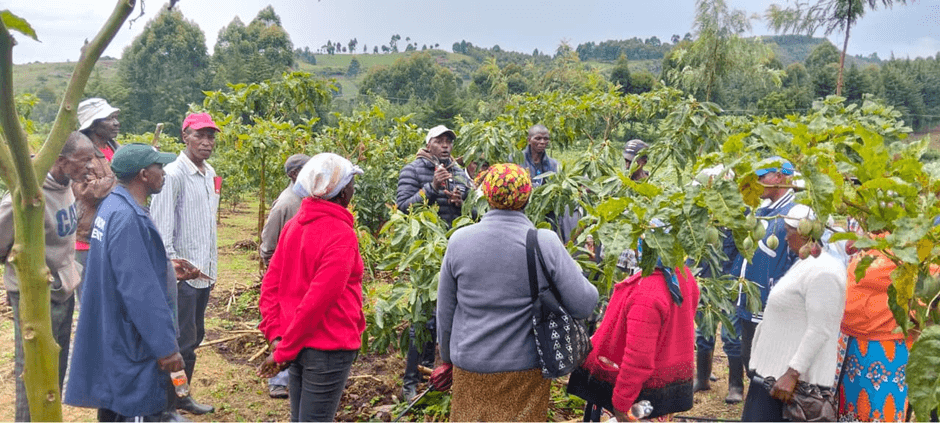
Regenerative agriculture doesn’t just happen; it all starts with training. The training forms part of the Central Highlands Ecoregion Foodscape (CHEF), a landscape initiative led by The Nature Conservancy (TNC) and implemented in partnership with Sustainable Agriculture Foundation Africa (SAF-A) and other stakeholders to advance regenerative agriculture, landscape water conservation, biodiversity conservation and resilient livelihoods across Kenya’s Central Highlands.
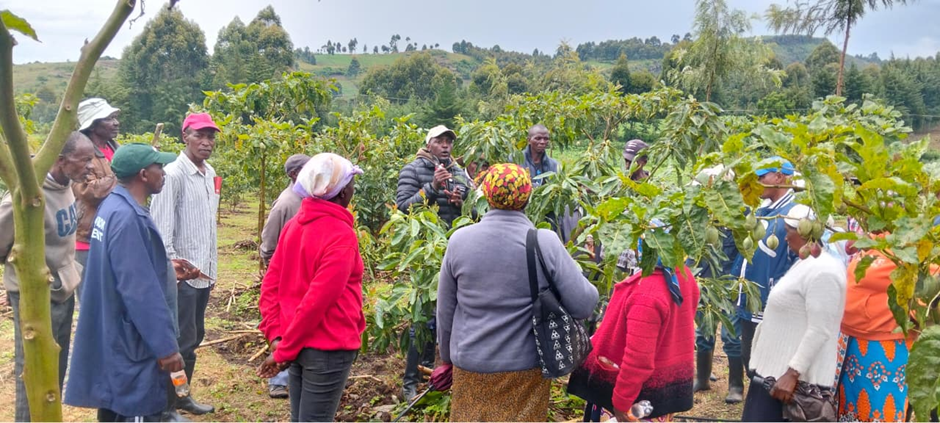
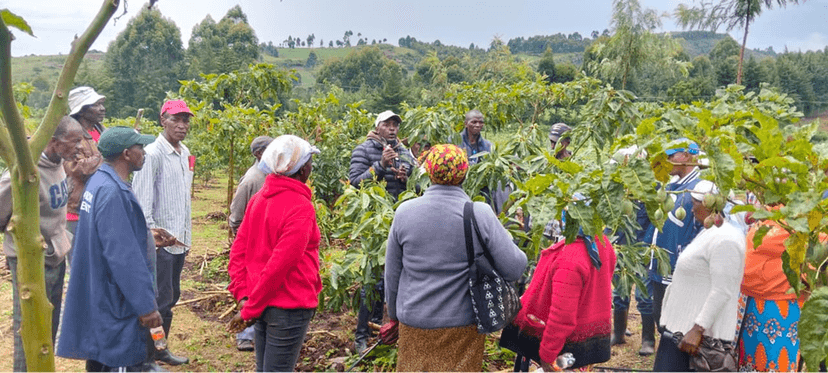
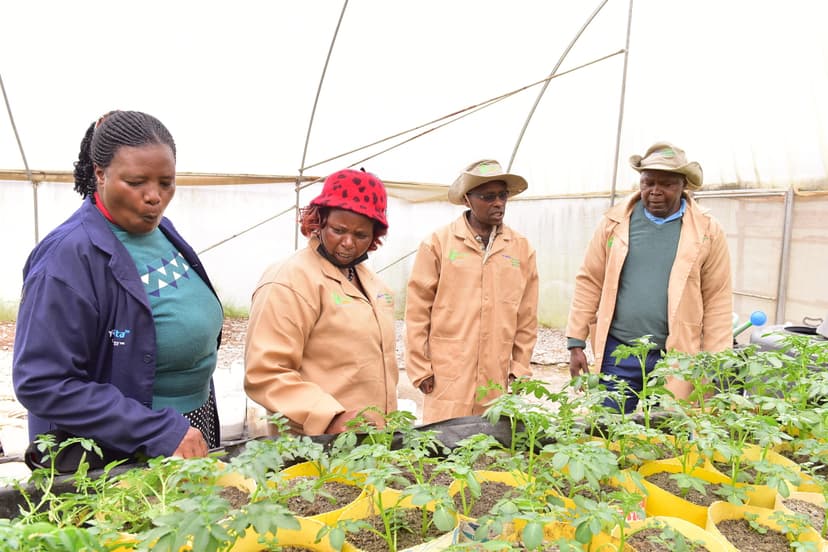
On a cool highland morning in Harambee Kio Farm, Ol Kalou Sub-county, Nyandarua County, 31 smallholders converged on a local farm for purpose-driven training. Their day had a clear goal: to establish a regenerative agriculture demonstration farm for potato production. The training forms part of the Central Highland Ecoregion Foodscape project (CHEF).
“Our aim is to give farmers a living, on-the-ground reference point”, says SAF-A agronomist Samson Mwangi. “The demo farm is a place where they can return, observe, and measure the difference that regenerative practices make”. Samson facilitated the training, which also attracted representatives from Equity Group Foundation and Real IPM. “This mixed participation illustrates the increasing multi-stakeholder interest in what regenerative agriculture can deliver for smallholders,” he comments.
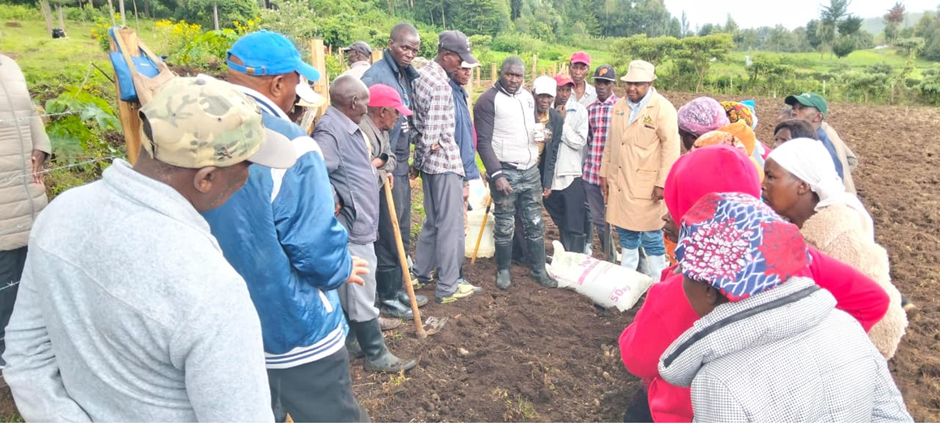
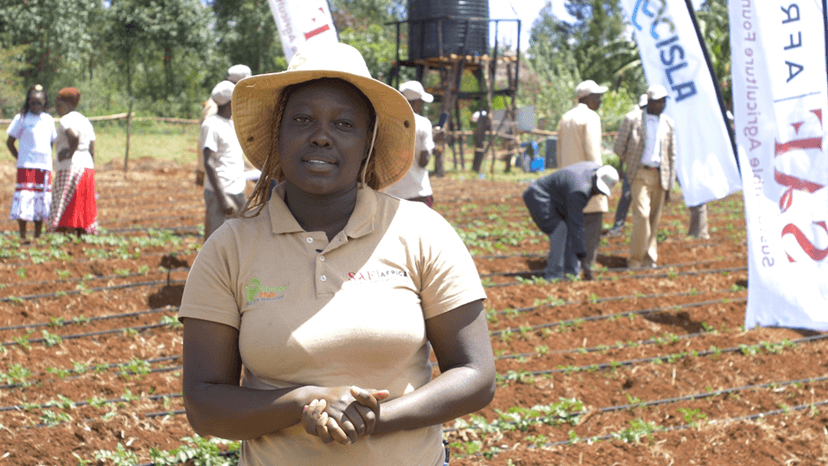
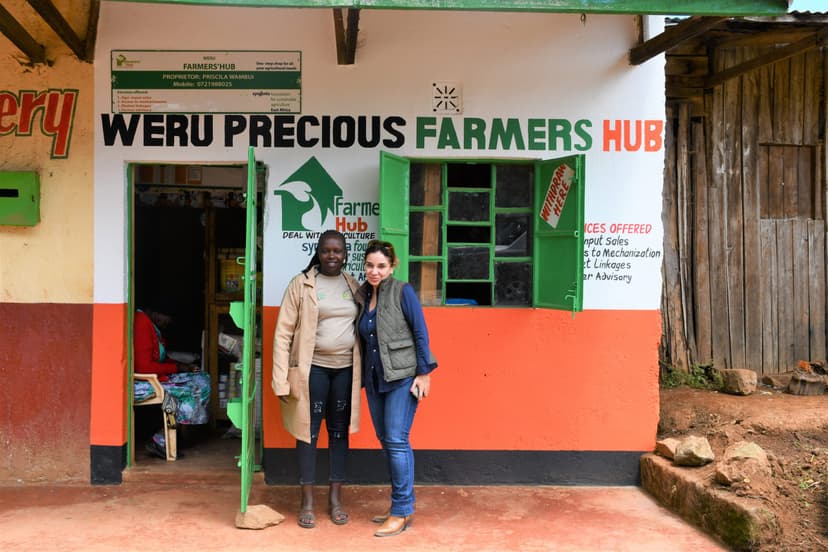
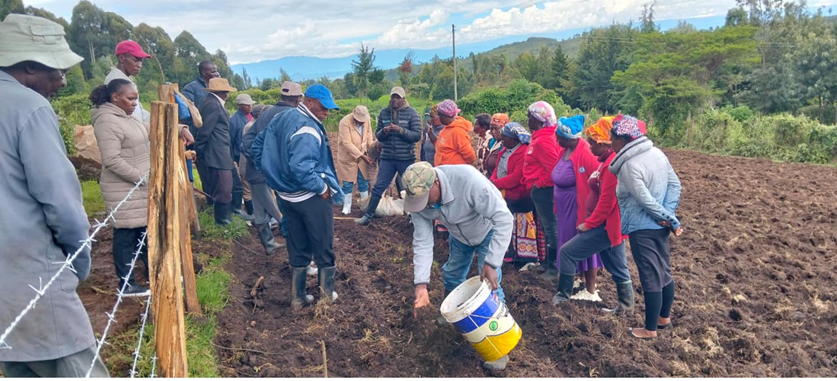
Getting so many farmers to show up on a chilly April morning, ready and engaged, is no small feat. Credit for that goes to local Farmers’ Hub manager Zachary Kariuki. His mobilization of the community made the day possible. “The farm was an inspiring backdrop for this training”, says Zachary. “Mature avocado orchards flank the potato plots, and a shelter houses rows of beehives. It’s a quiet but powerful illustration of what an integrated, regenerative farm can look like when different activities run in harmony.” At the heart of the training lay the establishment of the demonstration farm. Samson Mwangi guided farmers through the practical steps of setting up a potato demo plot on regenerative principles. Topics included soil preparation, preservation of organic matter, and planting techniques that work with the land rather than against it. Samson explained each step so that smallholders can replicate everything in their own fields. For many attending, it was the first time they had received structured, expert guidance on a practice they had long attempted by instinct alone.
After setting up the demo, Samson broadened the conversation. In the avocado orchard, he led a hands-on pruning session. This showed farmers how strategic pruning improves canopy airflow, reduces disease pressure, encourages better fruit set, and ultimately lifts yields.
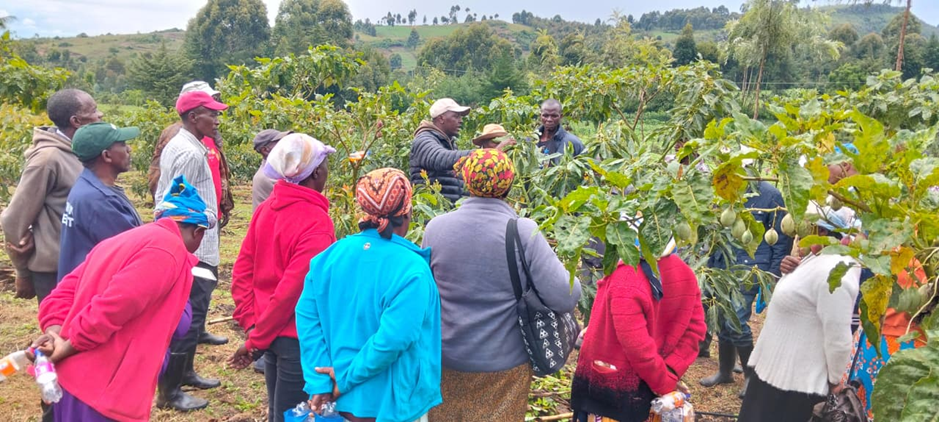
The training also addressed biodiversity, a theme that runs through everything CHEF promotes. Samson drew connections between diverse planting systems, soil health, and farm resilience. “SAF-A wants farmers to understand that regenerative agriculture is not a single technique but a whole-farm philosophy”, he explains. “Over time, companion crops, cover crops, and varied species work together to build a living, productive system.”
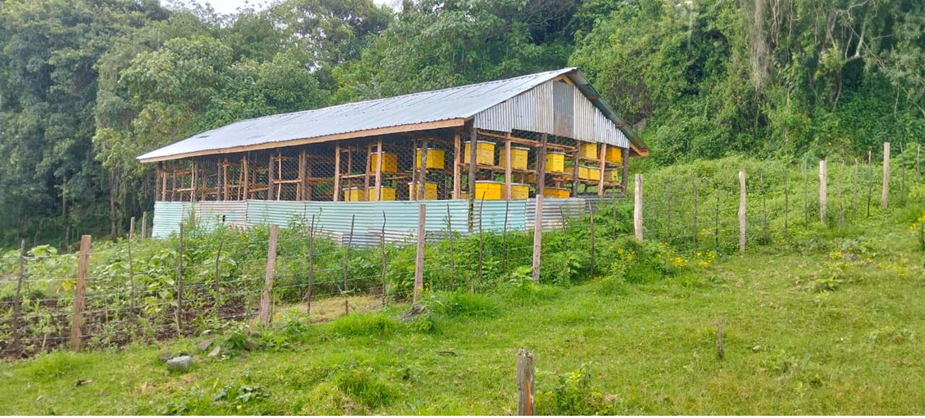
The farm’s impressive apiary was a lesson in itself. Housing multiple Langstroth hives in a purpose-built shelter, illustrates how beekeeping integrates naturally into a regenerative farming system. The bees ensure pollination that boosts avocado and potato yields and supports local biodiversity. They also provide an additional source of household income. “For farmers looking to diversify, it’s an inspiring model”, Samson Mwangi adds.
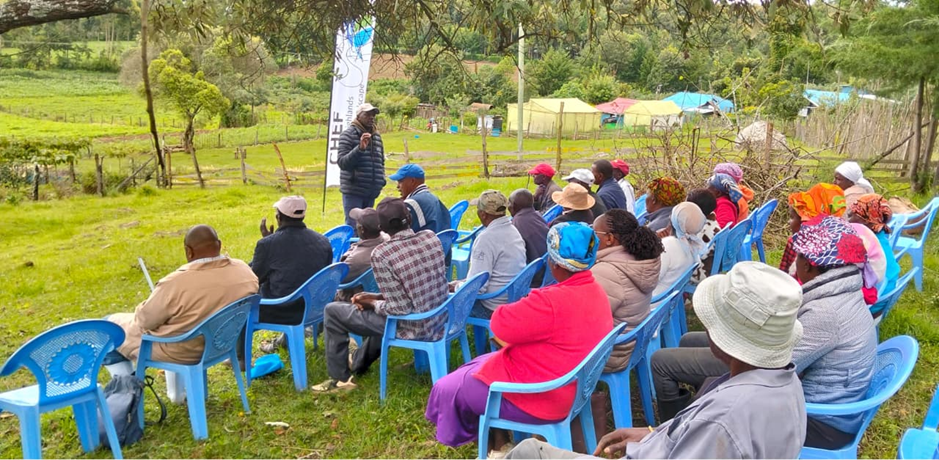
A guest speaker Simon Mwangi Wakaruhiu from the local Water Resource Users Association (WRUA) added a vital dimension to the day by addressing efficient water management. Nyandarua’s highland landscape forms a critical water catchment for the wider region. How local farmers manage water has consequences far beyond their own fields. The WRUA speaker helped participants connect their daily farming decisions to the bigger picture of watershed health and long-term water security. Where biodiversity meets income- generation:
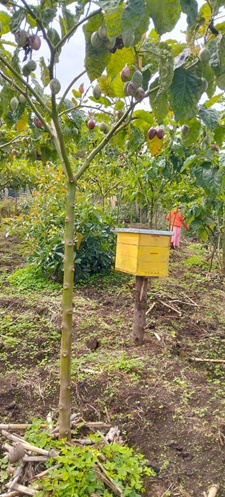
The potato demo established during this training will continue to serve as a live learning site for the wider Harambee Kio farming community. As the season progresses, farmers will be able to observe, compare, and apply the regenerative practices demonstrated. “This will make the training day much more than a one-off event”, declares Samson. “We want it to be the beginning of a sustained learning journey”. CHEF combines SAF-A technical expertise, community trust built by a dedicated Hub manager, and a project vision broad enough to connect soil health, water stewardship, biodiversity, and farmer livelihoods into a single,
coherent story. In Harambee Kio, that story is off to a good start.
“At The Nature Conservancy, we view demonstration farms as catalysts for landscape-scale change. Through the Central Highlands Ecoregion Foodscape (CHEF), we are working with partners to empower farmers with practical solutions that restore soil health, protect critical water resources, enhance biodiversity, and strengthen livelihoods. These learning sites show that regenerative agriculture can simultaneously deliver benefits for people and nature, creating more resilient food systems across Kenya’s Central Highlands.” Concludes Bernice Sainepo, Foodscape Director, Central Highlands Ecoregion Foodscape (CHEF), The Nature Conservancy.